Accessibility Driving Bonus Innovation in Mobile Wagering Environments
Taylor Friedrich · Aug 24, 2026
Accessibility Driving Bonus Innovation in Mobile Wagering Environments
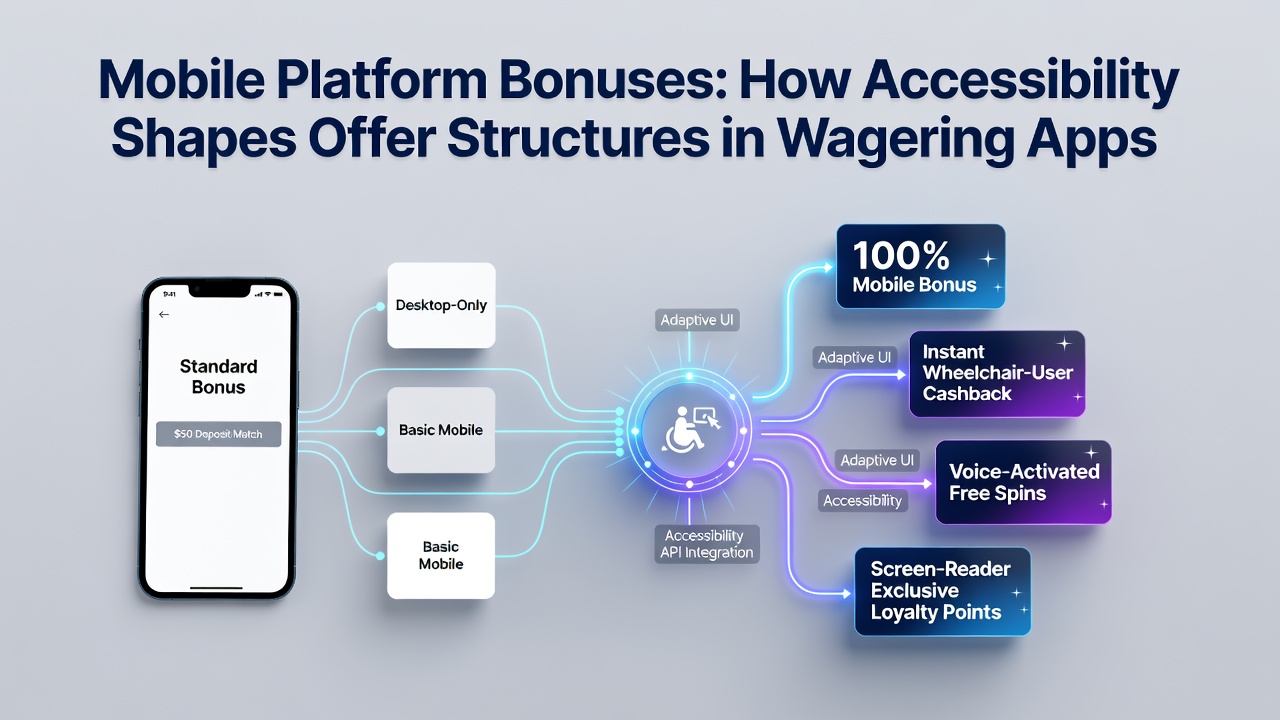
Accessibility on mobile platforms continues to reshape how wagering operators structure their bonus offerings, as device features such as location services, push notifications, and user data integration allow for more targeted promotions. In August 2026 industry reports noted increased adoption of these tools across major markets, with operators adjusting offer mechanics to match the capabilities of modern smartphones and tablets.
Device accessibility influences bonus design because apps can now detect user behavior patterns, geographic position, and engagement frequency in real time. This capability enables operators to deliver bonuses that activate automatically when certain conditions are met, such as proximity to a venue or completion of a specific number of wagers within a timeframe.
Core Accessibility Features Reshaping Offers
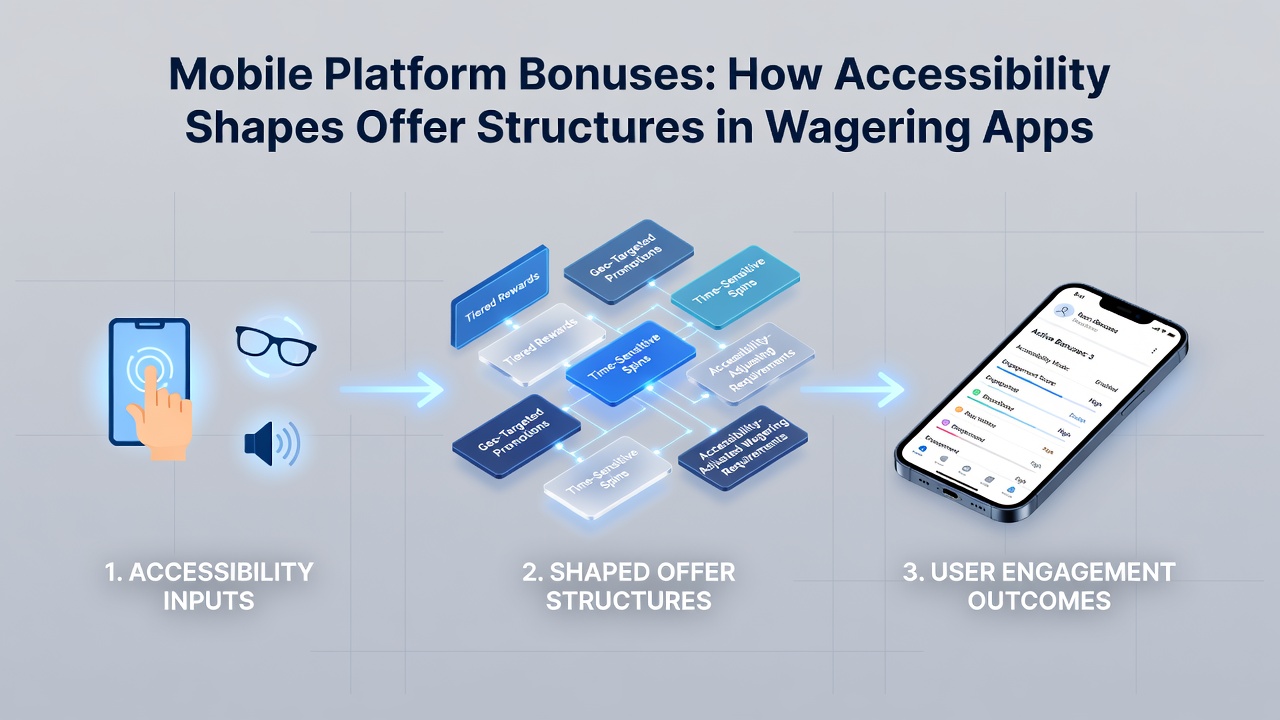
Geo-location tools stand out as a primary driver, since they permit operators to create region-specific bonuses that activate only when users enter designated areas. Data from the American Gaming Association shows that mobile sportsbooks in regulated U.S. states have expanded location-triggered promotions by 27 percent between 2024 and 2026, with many offers limited to users inside approved jurisdictions.
Push notification systems further modify offer structures by allowing operators to send time-sensitive bonuses directly to active app users. These notifications often include personalized deposit matches or free bet credits that expire within hours, encouraging immediate engagement rather than delayed participation. Observers note that this approach differs from traditional email campaigns because it leverages the constant presence of smartphones in daily routines.
Data Integration and Personalization Mechanics
Apps collect information on betting frequency, preferred sports, and average stake sizes, which operators then use to calibrate bonus eligibility. A study published by researchers at the University of Nevada, Reno found that personalized welcome offers generated 34 percent higher redemption rates compared with generic promotions during the 2025 calendar year. The same research indicated that mobile users who received tailored reload bonuses maintained account activity 18 percent longer than those who received standard offers.
Accessibility also extends to biometric login features and simplified deposit processes, both of which reduce friction for claiming bonuses. When users can verify identity through fingerprint or facial recognition, operators introduce multi-step bonus chains that require consecutive logins or deposits within short windows. These structures appear more frequently on mobile platforms than on desktop sites because the authentication process takes less time on smartphones.
Regional Variations in Mobile Bonus Structures
Operators in different jurisdictions adapt bonus designs according to local regulatory requirements and mobile infrastructure quality. In Australia, the Australian Communications and Media Authority data from early 2026 revealed that wagering apps increasingly tie bonus availability to verified phone numbers and device identifiers, a measure intended to strengthen age verification while enabling more granular offer targeting.
Canadian provinces with regulated mobile betting markets have seen similar patterns, where accessibility features such as one-tap deposits and in-app wallet management allow operators to offer loyalty bonuses that accumulate across multiple sessions. These programs often reward consistent mobile usage rather than single large deposits, reflecting the steady engagement patterns observed on smartphone platforms.
Technical Constraints and Offer Adjustments
Screen size and battery considerations also affect how bonuses are presented. Operators design shorter, more visual bonus instructions for mobile users because extended text can be difficult to read on smaller displays. In addition, some apps limit the complexity of bonus terms during peak usage hours to prevent users from abandoning the process due to slow load times or network issues.
Developers continue to test how accessibility settings, including larger fonts and voice-over compatibility, influence bonus interaction rates. Early findings from Canadian research groups suggest that users who enable accessibility tools complete bonus activation steps at rates comparable to standard users, provided the offers themselves remain concise and clearly labeled.
Conclusion
Mobile accessibility continues to determine the form and timing of wagering bonuses as operators integrate device capabilities into their promotional frameworks. Location services, push notifications, and personalized data flows have become standard components in offer construction across multiple regulated markets. As smartphone technology advances, bonus structures are expected to incorporate additional accessibility elements that further refine how and when users receive promotional incentives.