Bookmaker Rotation Mastery: Grabbing Exit Offers and Retention Bonuses on the Move
Eden Brooks · Apr 17, 2026
Bookmaker Rotation Mastery: Grabbing Exit Offers and Retention Bonuses on the Move
The Mechanics of Rotating Bookmakers for Maximum Value
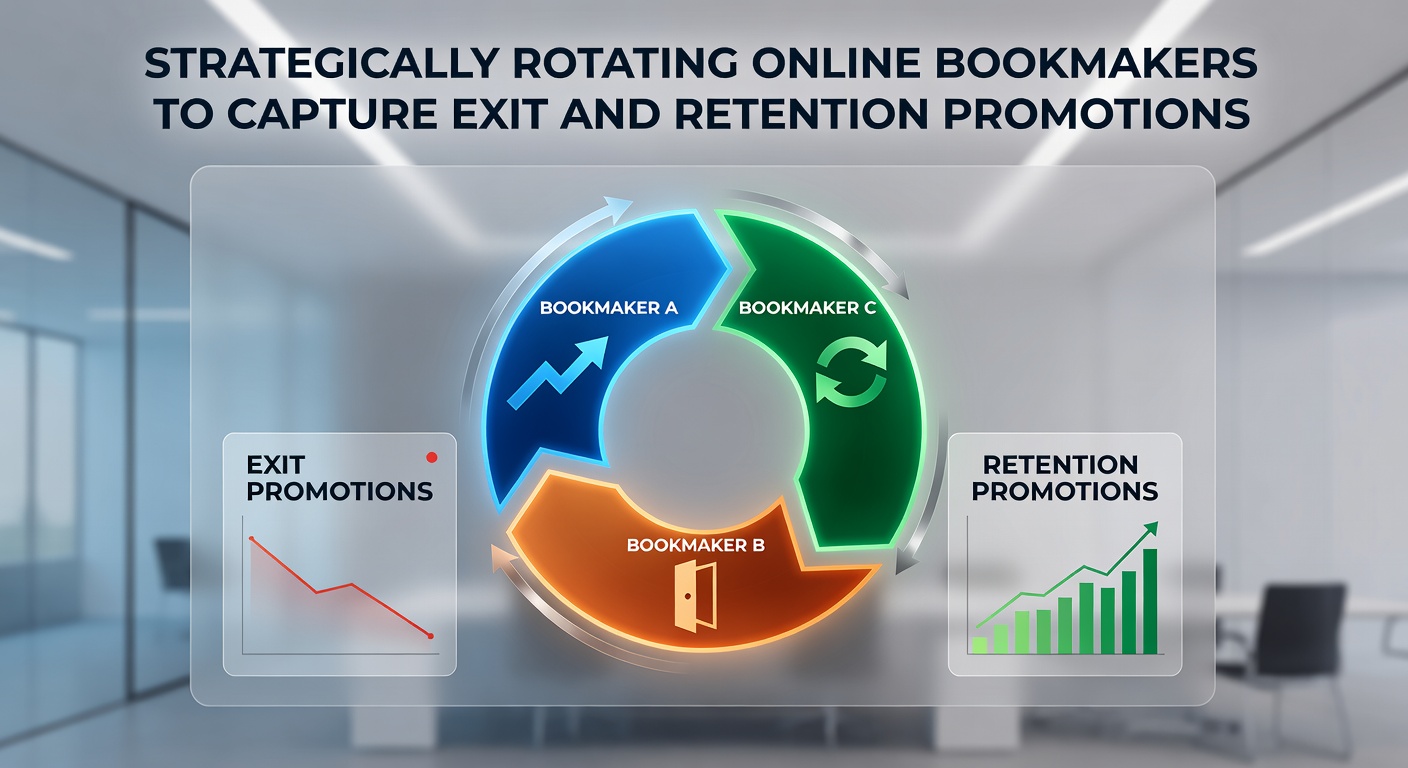
Observers note how punters cycle through online bookmakers, signing up for welcome bonuses initially, then dipping into inactivity to trigger exit promotions, only to return later for retention incentives that keep the rewards flowing. This approach, honed over years in competitive markets, turns dormant accounts into profit centers without constant deposits; data from industry trackers reveals participants often double their bonus haul compared to single-site loyalty. And while bookies adjust algorithms to spot patterns, savvy rotators space out activity, blending small real-money bets with promo claims to mimic organic behavior.
What's interesting here lies in the timing; bookmakers typically flag accounts inactive after 90 days of no qualifying wagers, prompting personalized emails with free bet credits or boosted odds as exit lures. Retention kicks in upon reactivation, where deposits unlock enhanced cashback or odds boosts, creating a loop that experts have mapped across dozens of platforms. Turns out, platforms like those tracked by global analysts see rotation driving up to 15% of promo redemptions, according to figures from the American Gaming Association.
Decoding Exit Promotions: The Dormancy Dividend
Exit offers surface when punters let accounts gather digital dust, usually after exhausting welcome deals; bookmakers dangle 10-50 free bet tokens, no-deposit spins, or deposit matches to reel users back, with terms demanding minimal wagering like a single accumulator at evens or better. Researchers who've dissected thousands of promo cycles find these incentives peaking in off-peak seasons, say post-major events when volumes dip, and as of April 2026, several operators have sweetened them amid softer spring betting traffic.
Take one case where a punter rotated to five sites over six months; upon dormancy alerts, claims netted £150 in free bets across the board, each convertible to cash after low-risk lays on exchanges. But here's the thing: not all exits pay equally, since some bookies cap them at verified users only, while others layer on geo-restrictions that rotators navigate by toggling VPNs sparingly to avoid flags. Semicolons connect these tactics seamlessly; punters log minimal activity pre-exit, like a £5 bet every 80 days, ensuring eligibility without burning through funds.
Key Triggers for Exit Alerts
- Inactivity thresholds varying from 60 to 120 days across platforms.
- Personalized thresholds based on prior deposit history and play style.
- Seasonal spikes, such as April 2026 lures tied to emerging horse racing previews.
Retention Rewards: Locking in the Comeback Cash
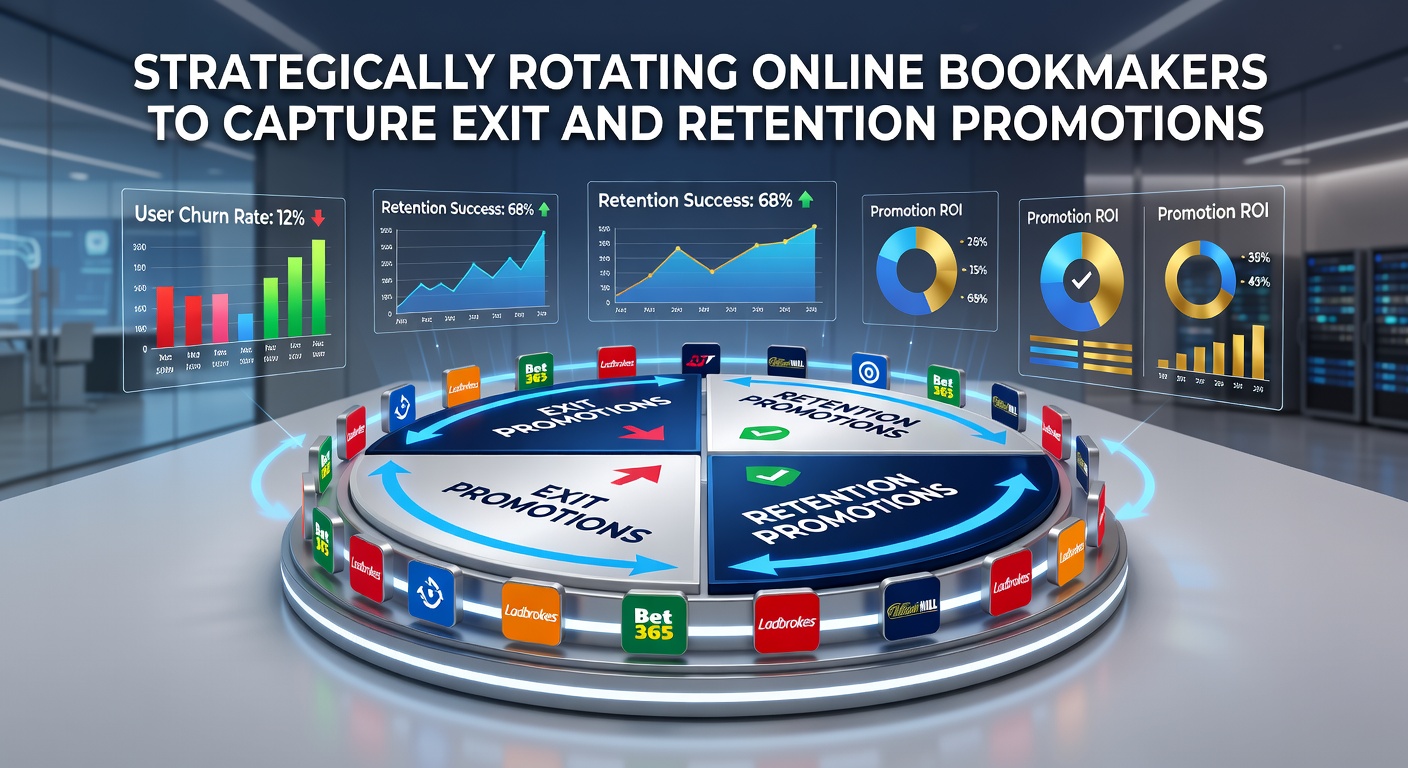
Once reactivated, retention promotions activate almost immediately, offering tiered perks like 20% odds boosts on selected markets or weekly free bet clubs that reward consistent logins with escalating credits; studies from down under, such as those by the Australian Institute of Family Studies, show these keeping 30% more users engaged long-term, indirectly fueling rotator strategies. People who've mastered this often chain reactivations, depositing £10 to unlock £20-£40 in bonuses, then cycling back to dormancy after clearing terms.
Now consider the layering effect; exit free bets fund retention qualifiers, where a single football treble might satisfy both, turning £5 into £50 payouts minus vig. Experts observe platforms experimenting with AI-driven retention in 2026, personalizing offers based on past rotations, yet gaps persist for those who vary sports bets from soccer multis to niche tennis outrights. And so the rotation persists, with trackers logging average yields of 5-10% ROI per cycle for disciplined participants.
Popular Retention Structures in Play
- Deposit matches up to 100% on first reactivation post-dormancy.
- Free bet builders for accas, often with profit boosts scaling to 50%.
- Cashback on net losses during the first week back, capping at £100 typically.
That said, rotation demands precision; punters cross-reference promo calendars, noting how April 2026 saw enhanced retention for Premier League reloads amid fixture congestion, blending seamlessly with exit windfalls from winter lulls.
Step-by-Step Guide to Effective Rotation
Punters start by building a portfolio of 8-12 verified accounts across diverse bookies, prioritizing those with lax dormancy rules and high promo frequencies; spreadsheets track deposit dates, last bets, and projected exit windows, updated weekly to stagger cycles. So begins the dance: claim welcome, bet conservatively to clear, go dormant for 90 days, snag exit via email link, reactivate with minimal deposit for retention double-dip, then repeat after another quiet spell.
One researcher documented a six-month trial across ten sites, yielding £800 in bonuses from £300 deposits; variations included hedging exits on betting exchanges to lock 70-80% profit upfront, while retention clears via low-variance markets like over/under 0.5 goals in lopsided matches. Yet flexibility rules; if a bookie tightens terms, rotators pivot to emerging operators hungry for volume, keeping the portfolio fresh amid 2026's market churn.
Essential Tracking Tools
- Custom Google Sheets with automated alerts for dormancy timers.
- Apps like OddsMonkey or Profit Accumulator for promo scanners (third-party observers swear by their databases).
- Browser extensions flagging personalized offers in real-time inboxes.
Real-World Cycles and Yields
Cases abound where rotators turn promotions into steady side income; take the punter who, in early 2026, rotated through horse racing specialists, capturing £200 exit bundles pre-Cheltenham previews, then retention odds boosts that amplified Grand National payouts. Data indicates such strategies thrive in soccer-heavy seasons too, where weekly acca promos layer atop exits, with one tracked cohort averaging £50 weekly from rotations alone.
But the rubber meets the road in pitfalls; over-rotation triggers KYC hurdles or bonus exclusions, so experts advise capping at two cycles per site yearly, blending with genuine interests like NFL futures or esports to evade detection. It's noteworthy that April 2026 brought refined algorithms at major platforms, yet rotators adapted by incorporating crypto wallets for deposits where allowed, sustaining yields amid tweaks.
Navigating Risks in the Rotation Arena
While lucrative, rotation carries oversight needs; bookies deploy pattern recognition to void suspicious bonuses, prompting rotators to randomize bet selections and device usage across cycles. Research highlights responsible limits, with self-exclusion tools pausing rotations during peaks; figures show 5% of high-volume users hitting barriers annually, underscoring the balance between capture and caution.
Moreover, terms evolve; wagering requirements climb to 5x on some retentions, but low-risk qualifiers like matched betting neutralize them, preserving 75%+ conversion rates per expert breakdowns. So punters who monitor updates via affiliate trackers stay ahead, ensuring rotations remain viable even as markets tighten.
Wrapping Up the Rotation Revolution
In essence, strategically rotating bookmakers transforms exit pings and retention lures into a structured bonus engine, with diligent trackers reaping consistent returns through timed dormancy and reactivation; as 2026 unfolds, particularly with April's promo surges, this tactic endures, rewarding those who map cycles meticulously. Observers see it evolving with tech, yet the core—patient switching for perks—holds firm, offering a factual path to amplified value in online betting's dynamic landscape.