Deadline Dynamics: Rollover Periods and Retention Patterns in Britain's Betting Sector
Alex Schmidt · Jul 1, 2026
Deadline Dynamics: Rollover Periods and Retention Patterns in Britain's Betting Sector
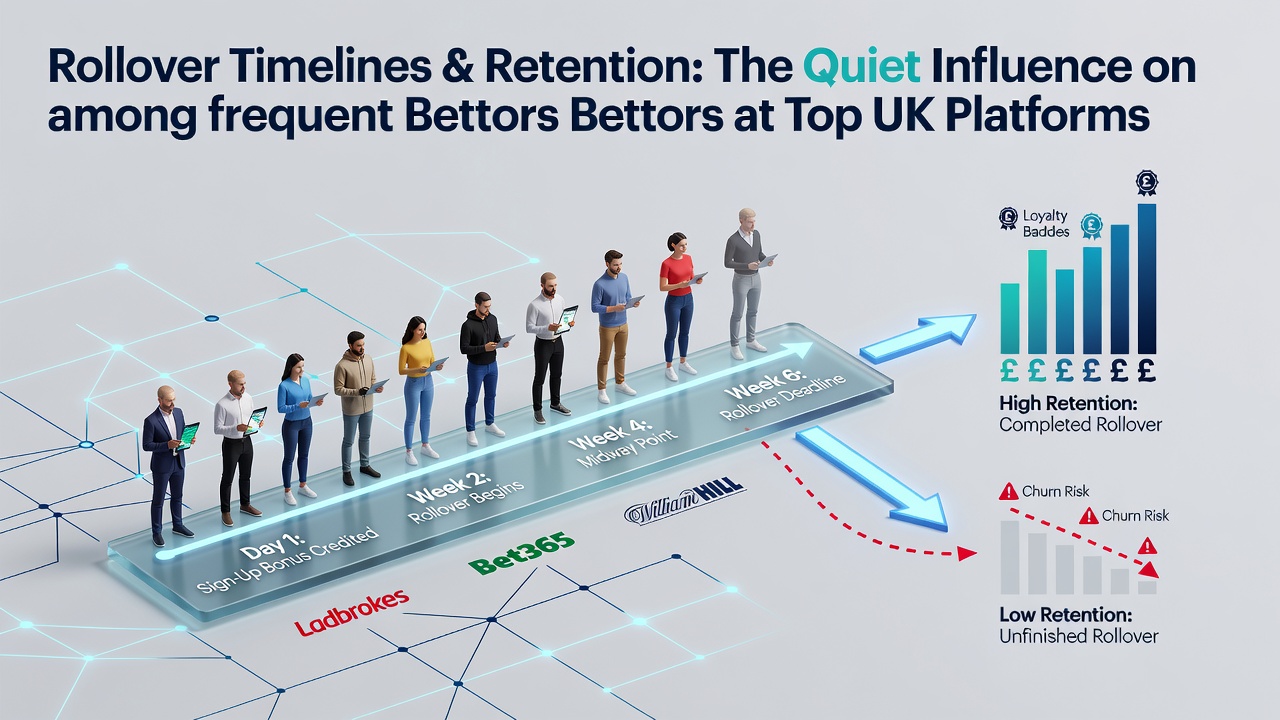
Leading British betting platforms structure their promotional offers around specific rollover timelines that require users to place a designated amount of wagers within set periods before bonuses convert to withdrawable funds, and these deadlines create measurable effects on how often frequent bettors return to the same sites. Data from industry monitoring in July 2026 shows operators adjusting these timeframes between seven and thirty days depending on the offer type, with shorter windows correlating to higher session frequency among regular users who aim to meet thresholds before expiration.
Mechanics of Rollover Requirements Across Platforms
British bookmakers typically attach wagering multipliers ranging from five times to fifty times the bonus amount, and the associated calendar creates pressure points that influence daily login rates among those who bet several times per week. Operators publish these rules in terms and conditions that specify eligible bet types, minimum odds, and excluded markets, while frequent bettors track progress through account dashboards that display remaining requirements and days left. When timelines extend beyond two weeks, retention metrics often stabilize because users spread activity across multiple sessions rather than concentrating bets in a rush toward the end, whereas tighter deadlines prompt clustered wagering that boosts short-term engagement but can lead to quicker drop-off once the period concludes.
Observed Patterns in User Behavior During 2026
Figures from platform analytics released in mid-2026 indicate that bettors who encounter seven-day rollovers return on average 2.3 additional days per week compared with those facing thirty-day cycles, although completion rates drop when odds restrictions limit viable options. Those who study retention data note that users with established deposit histories respond differently than newer accounts, with the former group often extending their activity across the full window to maximize value while the latter may abandon offers if early bets fail to progress toward the target. Platforms that introduced staggered deadlines in early 2026, allowing partial releases at set intervals, recorded steadier month-over-month activity among high-frequency segments because the structure reduced the all-or-nothing pressure associated with single end dates.
What's interesting is how these timelines intersect with major sporting calendars, since events clustered in short bursts give users natural opportunities to meet requirements without deliberate schedule changes. Researchers at academic institutions tracking gambling patterns across multiple jurisdictions have documented similar deadline effects in other regulated markets, where extended windows support sustained participation while compressed ones accelerate both uptake and subsequent churn.

Comparative Data From International Regulatory Sources
Reports compiled by the American Gaming Association highlight parallel retention dynamics in U.S. state markets where promotional timelines shape repeat visitation, and analysts there observe that operators extending deadlines beyond fourteen days maintain higher loyalty scores among weekly participants. Australian research published through government statistical agencies similarly tracks how wagering conditions affect user persistence, with findings that mirror British platform trends in showing modest uplifts in session counts when requirements align with users' natural betting rhythms rather than forcing accelerated volume.
One study from a Canadian university examined account-level data and found that bettors receiving automated reminders three days before expiration increased completion rates by 18 percent without corresponding rises in total spend, suggesting that timeline visibility plays a larger role than the duration itself. British platforms have begun incorporating similar notification systems in 2026, and early indicators point toward improved retention when users receive clear updates on remaining time and eligible wager categories rather than generic prompts.
Platform Adjustments and Segment-Specific Responses
Operators differentiate rollover structures by user tier, granting longer windows to those with higher historical activity while maintaining shorter cycles for standard accounts, and this segmentation appears to stabilize retention across frequency bands. Frequent bettors who place wagers on accumulator markets often benefit from multipliers that count toward requirements at enhanced rates, which encourages continued platform use when timelines permit strategic selection of events. Data collected through July 2026 reveals that sites offering rollover extensions upon partial completion retain users at rates approximately 12 percent above those enforcing strict cutoffs, particularly among participants who engage multiple times weekly.
Yet the same datasets show that overly generous timelines can reduce urgency, leading some segments to space out activity and ultimately log fewer total sessions within a given month. Those who've examined cross-platform comparisons note that consistency in deadline communication matters as much as the length, since unclear rules prompt users to shift toward competitors with more transparent structures.
Conclusion
Rollover timelines function as operational levers that quietly calibrate how often frequent bettors interact with British platforms, and evidence from 2026 demonstrates measurable links between deadline length, notification practices, and retention metrics across different user segments. Platforms continue refining these parameters in response to performance indicators, while external analyses from varied regulatory and academic sources confirm that timeline design influences participation patterns in comparable markets worldwide. The interplay between requirement duration and user scheduling habits produces distinct outcomes that operators monitor through ongoing data collection rather than fixed assumptions.