Device Sync Methods Fueling Multi-Layer Betting Rewards Globally
Taylor Friedrich · Aug 10, 2026
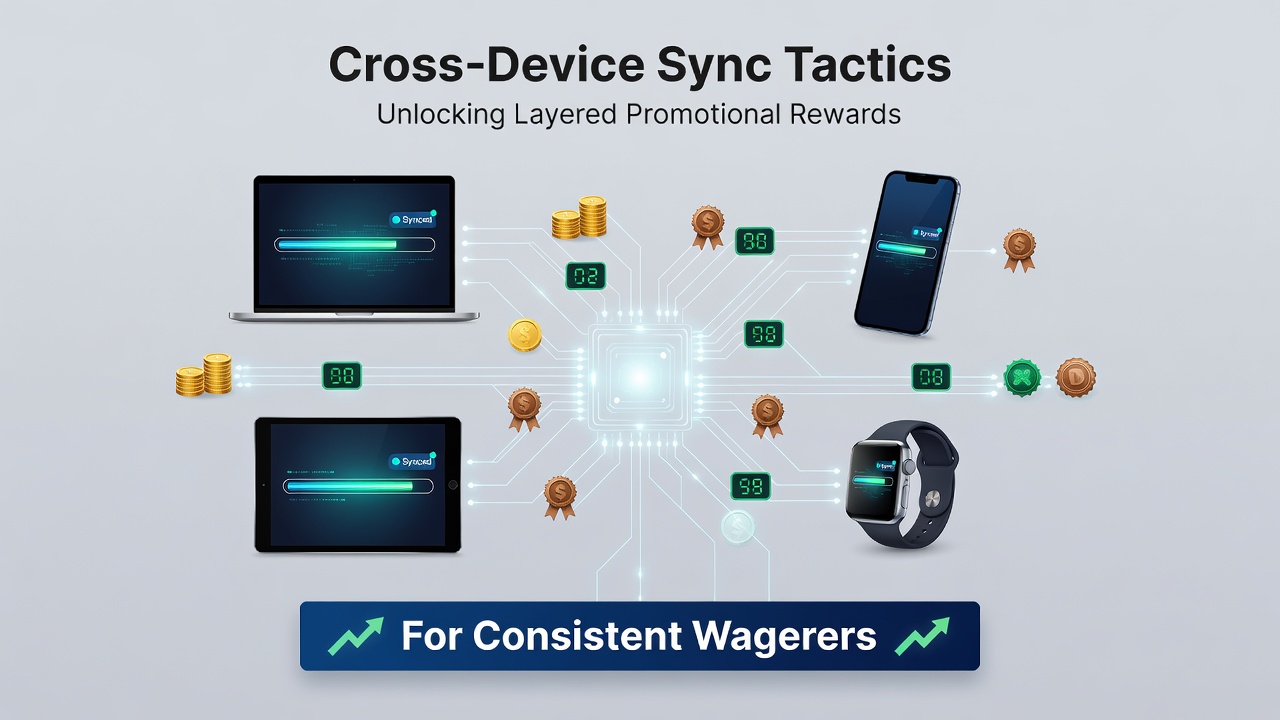
Device Sync Methods Fueling Multi-Layer Betting Rewards Globally
Platforms across multiple regions now deploy cross-device synchronization to track consistent wagerers and release layered promotional rewards that build over time. Research from the Victorian Responsible Gambling Foundation indicates that operators link user accounts across phones, tablets, and desktops through unique identifiers and session data, allowing activity on one device to contribute directly to progress on another. This approach creates reward chains where initial deposits or bets on a mobile app unlock base offers, while desktop sessions add verification steps that stack additional free bets or cashback percentages.
Core Synchronization Mechanisms in Use
Operators rely on account-level cookies, device fingerprinting, and cloud-based profile storage to maintain continuity, so a wager placed during a commute registers alongside evening desktop reviews without resetting counters. Data from industry reports shows these systems update in real time during August 2026, with many platforms processing cross-device events within seconds to prevent gaps that could block reward tiers. Consistent wagerers who alternate between devices often meet volume thresholds faster because each platform logs the combined total rather than isolated sessions, turning separate actions into cumulative qualifying activity.
Examples from Operational Platforms
Take one major operator that rolled out unified dashboards in early 2026: users who start a promotion on a smartphone and complete verification steps on a laptop receive an extra layer of reload bonuses unavailable to single-device players. Another case documented by researchers at the National Council on Problem Gambling found that synchronization reduced duplicate claims while increasing the number of active users reaching mid-level reward brackets within the same calendar month. Observers note that these mechanics depend on secure API connections between apps and web portals, ensuring that location data, bet history, and time stamps align across environments.
Layered Reward Structures Enabled by Sync
Promotions typically unfold in stages where early synchronization unlocks entry-level rewards, mid-tier activity adds matched stakes or cashback, and sustained cross-device use opens top-tier multipliers. Figures from regulatory filings in Canada reveal that operators using these systems recorded higher completion rates for multi-stage offers compared with non-synced alternatives during the first half of 2026. The structure works because each new device confirmation acts as an additional checkpoint, preventing premature reward release while encouraging ongoing engagement from the same account holder.
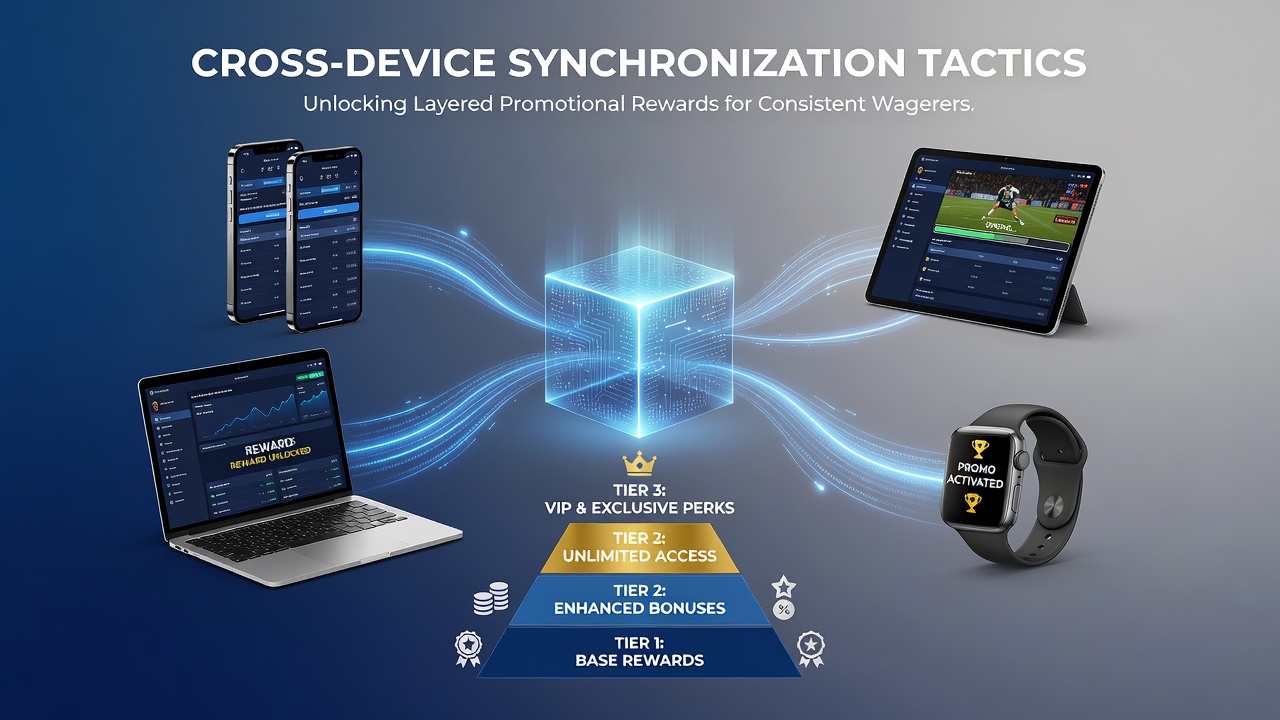
August 2026 updates introduced enhanced encryption for these sync processes in several jurisdictions, reducing friction for users who switch networks or operating systems mid-promotion. Those who maintain consistent wager patterns across devices therefore accumulate points or credits that feed directly into subsequent layers without manual intervention. Industry analyses show this method also helps platforms comply with responsible gambling limits by applying unified spend caps across all linked sessions rather than device-specific ones.
Implementation Tactics Observed in Practice
Operators apply several practical steps to maintain synchronization integrity. First, they require initial account linkage through email or phone verification that spans devices, creating a single persistent profile. Second, they embed real-time event listeners that push updates to a central server whenever a new bet, deposit, or login occurs. Third, reward engines calculate eligibility based on aggregated metrics, so a user who places ten wagers on mobile and reviews odds on desktop meets thresholds that single-device activity might miss. These tactics appear in documentation from European gaming associations and Australian state regulators, where cross-device reporting has become standard for audit trails.
What's interesting is how smaller operators adapt the same frameworks used by larger groups, often through third-party software providers that standardize the sync layer. This standardization means consistent wagerers encounter similar mechanics whether they use a regional bookmaker or an international platform, provided the account remains active across devices. Data indicates that synchronization errors, when they occur, usually stem from outdated app versions or browser cache issues rather than core system failures, prompting operators to issue automatic prompts for updates.
Conclusion
Cross-device synchronization continues to shape how platforms deliver layered promotional rewards to consistent wagerers by merging activity streams into unified progress trackers. Evidence from multiple regulatory and research sources confirms that these methods increase reward accessibility for users who engage across environments while maintaining compliance checkpoints. As August 2026 data accumulates, patterns show sustained adoption of these tactics in markets where operators prioritize seamless multi-device experiences alongside responsible play safeguards.