GamCare Flags Alarming Surge in UK Gambling Debts: 2025 Sees Cases Double and Total Debt Triple to £7.2 Million
Eden Brooks · Mar 21, 2026

GamCare Flags Alarming Surge in UK Gambling Debts: 2025 Sees Cases Double and Total Debt Triple to £7.2 Million
The Report That Caught Attention on March 18, 2026
On March 18, 2026, gambling charity GamCare released figures that painted a stark picture of escalating financial harms tied to gambling across the UK; those numbers, drawn from its Money Guidance Service, showed 1,954 individuals seeking help in 2025—more than double the 923 cases from the year before—and total reported debts soaring to £7.2 million, nearly triple the previous amount. Experts tracking these trends quickly pointed to the report as a clear signal of broader pressures at play, especially since the uptick spanned every region of the country without exception.
What's interesting here is how the service itself operates; GamCare's Money Guidance Service, launched to tackle the financial fallout from problem gambling, connects people with specialist debt advice tailored to their circumstances, whether that involves unsecured loans, credit card balances, or other gambling-fueled obligations. And in 2025, demand exploded, forcing the charity to ramp up its support mechanisms just to keep pace.
Breaking Down the Numbers: A Year of Escalation
Data from the report reveals not just growth in user numbers but a dramatic worsening of the debt landscape; while caseloads jumped over 100 percent, the aggregate debt figure climbed from around £2.4 million in 2024 to that eye-watering £7.2 million mark, underscoring how individual situations spiraled faster than ever before. Observers note that average debts per person likely ballooned as a result, although GamCare hasn't broken out those specifics yet.
Take the regional spread, for instance—England dominated with the bulk of cases, yet Scotland, Wales, and Northern Ireland all registered increases too, showing this isn't a localized issue but one gripping the entire nation. And here's the thing: those accessing the service often arrived with multifaceted problems, blending gambling losses with everyday financial strains that compounded over time.
Short, sharp reality. Debts don't vanish overnight; they build, layer by layer, until people hit crisis points like GamCare's helpline.
Cost-of-Living Pressures Fuel the Fire
Researchers linking the surge directly to the UK's ongoing cost-of-living crisis explain how rising bills for energy, groceries, and rent pushed more individuals toward gambling as a desperate bid to make ends meet; turns out, that strategy backfires spectacularly, trapping them in cycles of deeper losses and mounting arrears. GamCare's analysis highlights this pattern repeatedly—people chasing quick wins to cover immediate shortfalls, only to dig bigger holes that the Money Guidance Service then helps navigate.
It's noteworthy that this mirrors patterns seen in economic downturns before, where financial desperation intersects with accessible betting options, amplifying harms across demographics. Those who've studied such data point out how inflation and wage stagnation create fertile ground for these behaviors, with gambling positioned as an illusory escape that rarely delivers.
But the report goes further, noting how partners corroborated the trend; for example, debt charity PayPlan, which collaborates closely with GamCare, logged a 22 percent rise in overall contacts during 2025, alongside a 34 percent jump in referrals specifically from GamCare's treatment pathways. That synergy between organizations underscores the scale, as referrals often involve the most severe cases needing immediate intervention.
Spotlight on Partnerships: PayPlan's Parallel Surge
PayPlan's figures add weight to GamCare's warnings, with that 22 percent contact increase reflecting broader demand for debt management amid gambling woes; the 34 percent referral hike from GamCare treatments, in particular, signals how clinical support often uncovers hidden financial catastrophes requiring specialist handling. Experts observing these collaborations emphasize how such data-sharing sharpens responses, allowing quicker resolutions for those entangled in debt webs.
One case pattern emerging from these reports involves individuals who start with small bets to offset utility bills, then escalate as losses mount, eventually turning to high-interest loans that balloon obligations further. And while PayPlan handles the debt restructuring, GamCare focuses on the behavioral roots, creating a two-pronged attack on the problem.
Now, consider the timeline—2025's numbers built on steady climbs from prior years, but this acceleration demanded urgent scaling of services; GamCare, for its part, expanded its Money Guidance team to meet the influx, ensuring no one got turned away amid the rush.
What the Surge Reveals About Gambling Harms
Figures like these don't exist in isolation; they tie into GamCare's wider mission, which includes a national helpline, online chat support, and treatment referrals that collectively aided tens of thousands in 2025, though the financial arm saw the most pronounced growth. Data indicates that gambling-related debts often hide other vulnerabilities, such as mental health struggles or family breakdowns, which service users disclose during assessments.
That's where the rubber meets the road—early intervention via Money Guidance prevents evictions, bankruptcies, and worse, with success stories emerging from those who stabilize finances while addressing gambling triggers. Yet the report stresses that prevention remains key, as reactive measures alone can't stem a tide driven by economic headwinds.
Across the UK, this uptick prompts questions about accessibility of help; rural areas, for example, showed proportional rises despite smaller populations, hinting at digital outreach's role in bridging gaps. And with total debts hitting £7.2 million, the fiscal burden on charities and public services grows, even as individual recoveries offer glimmers of progress.
So, patterns persist. People reach out later rather than sooner, letting debts fester until they're unmanageable; GamCare counters this through awareness campaigns that, according to its data, drive proactive contacts before crises peak.
Broader Context Within the UK's Gambling Landscape
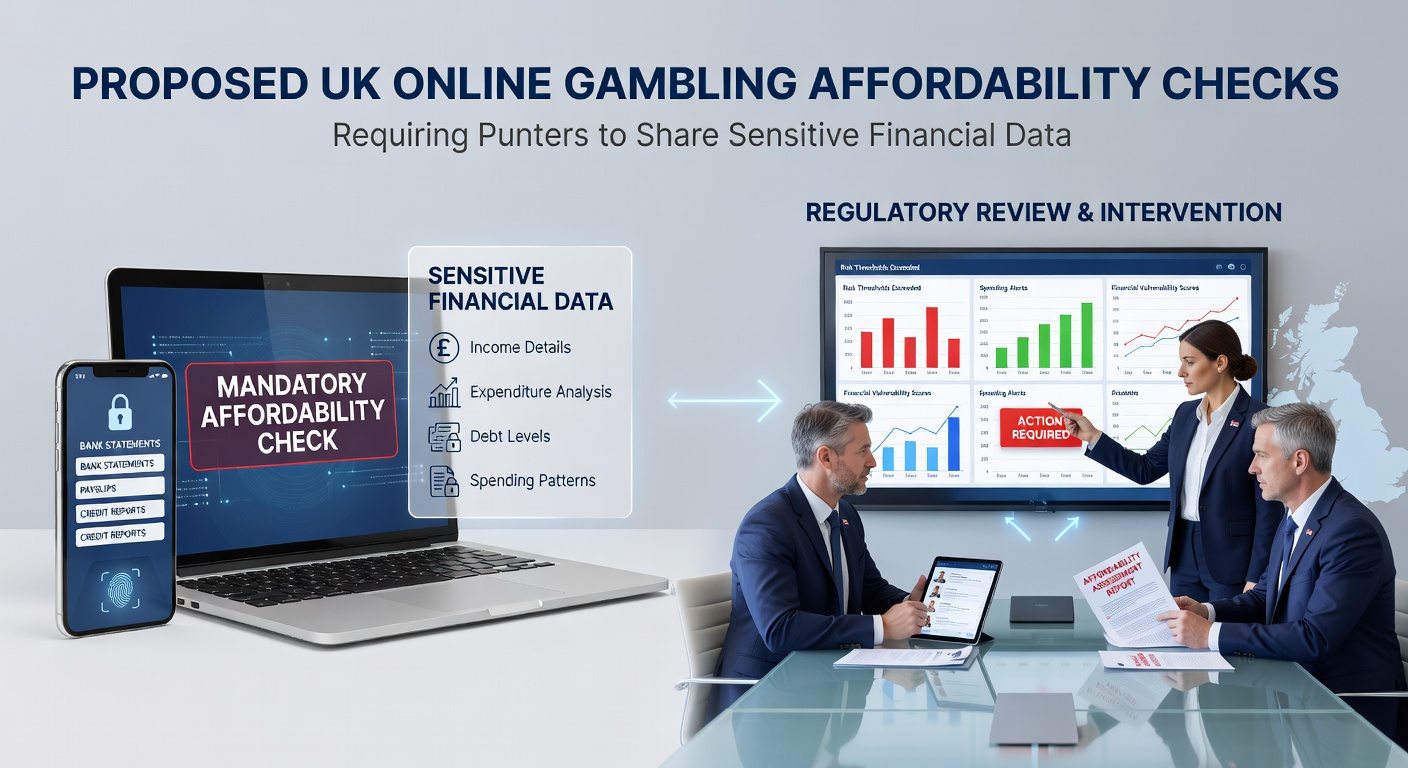
While GamCare's March 18 announcement spotlighted 2025's extremes, observers connect it to steady rises in problem gambling indicators over recent years, exacerbated by easier online access and promotional pressures—though the charity zeroes in on financial symptoms as the most measurable fallout. Figures from the report, shared via industry channels, reached policymakers and operators alike, potentially influencing upcoming affordability checks and stake limits.
It's interesting how cost-of-living metrics align perfectly; official stats from that period showed household squeezes peaking, correlating with GamCare's caseload boom. Those studying these intersections often cite how a 10 percent income drop can double gambling risks for vulnerable groups, a dynamic playing out vividly in 2025's data.
PayPlan's involvement adds another layer, as their experts handle everything from creditor negotiations to budgeting plans, often uncovering gambling as an undeclared debt driver in up to a third of cases. And since referrals surged 34 percent, it suggests GamCare's treatment programs are unmasking financial issues more effectively than before.
Conclusion
GamCare's report on March 18, 2026, lays bare a troubling escalation in UK gambling-related financial harms, with 1,954 Money Guidance users in 2025 carrying £7.2 million in debts—doubled cases and tripled totals that echo cost-of-living strains pushing people into riskier behaviors. Partners like PayPlan back this up with their own 22 percent contact rise and 34 percent referral spike, highlighting a coordinated crisis response amid nationwide patterns.
The reality is clear: while services scale to meet demand, underlying drivers demand attention too, as evidenced by the charity's push for integrated support that tackles both finances and habits. Data shows recoveries happen when help arrives promptly, offering a path forward even as numbers climb; ultimately, these figures serve as a wake-up call, urging stakeholders to address the intersections of economy and wagering before debts mount further.