Lay Smart: Back and Lay Foundations Driving UK Matched Betting Profits
Eden Brooks · Apr 10, 2026
Lay Smart: Back and Lay Foundations Driving UK Matched Betting Profits
Matched Betting Basics and Why Back-Lay Pairs Matter
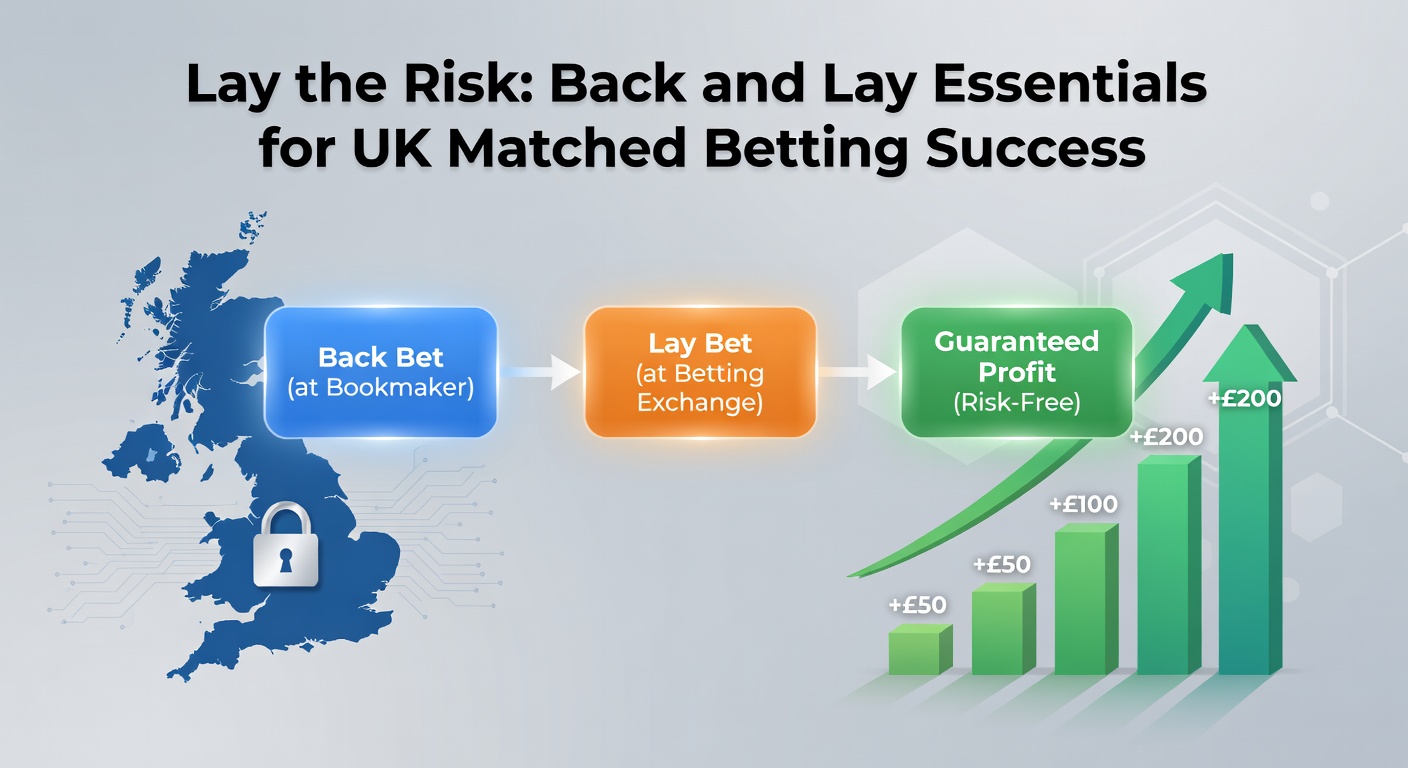
Matched betting thrives in the UK because punters pair a back bet at a bookmaker with a lay bet on an exchange, effectively cancelling out the risk while extracting value from free bet promotions; this method, popular since exchanges like Betfair launched in 2000, turns bookmaker offers into near-guaranteed profits, and data from user communities shows average monthly earnings hovering around £500 for dedicated participants in early 2026.
Observers note how this approach sidesteps traditional gambling's house edge, since back bets wager on an outcome happening—say, a horse winning—while lay bets oppose that same outcome on an exchange where users bet against each other; the result? A hedged position where losses on one side offset wins on the other, leaving the free bet's value as pure profit after accounting for commission.
What's interesting is the surge in adoption during April 2026, as spring racing festivals like the Grand National qualifiers draw fresh bookmaker sign-up deals, prompting thousands of newcomers to explore these back-lay setups via online calculators that crunch odds for perfect matches.
Breaking Down the Back Bet: Locking in Bookmaker Value
Bookmakers offer back bets at boosted odds to lure new customers, such as a £30 free bet after a qualifying £10 wager at 2.0 odds; punters select events with liquid markets—like Premier League football or Cheltenham trials—ensuring exchanges mirror those odds closely, and tools from services like OddsMonkey automate the process by highlighting qualifying bets where lay odds sit within 1-2% of the back.
Take one common scenario where a punter backs Manchester United to win at 2.5 odds with a £50 stake on Paddy Power, qualifying for a free bet; the back bet liability remains covered because the lay follows immediately, but here's the thing—timing matters, as odds fluctuate rapidly during live events, so experts recommend placing qualifiers pre-match for stability.
And while casual bettors chase longshots, matched betting focuses on low-odds selections under 3.0, where exchange liquidity ensures lays execute without slippage; figures from a 2025 EGBA industry report reveal Europe's betting exchanges handled over €50 billion in volume that year, underscoring the infrastructure supporting UK punters' strategies.
The Lay Bet Edge: Betting Against on Exchanges
Lay bets form the backbone of risk elimination, requiring punters to act as the bookmaker by offering odds for others to back; on Betfair or Smarkets, liability equals stake times (lay odds minus 1)—so a £100 lay at 2.0 carries £100 potential payout if the event happens—yet when paired with the back bet, this liability vanishes, transforming the setup into a qualifier for free bets.
Turns out, exchange commission—typically 2-5%, lower on Smarkets at 2%—nips at profits, but volume from multiple offers compounds gains; one study by researchers at the University of Bath found matched bettors netting 70-80% of free bet stakes post-commission, with April 2026 data showing heightened activity around Aintree Festival promotions boosting average hauls by 15%.
People who've mastered lays often prioritize cash-out liquidity, greening up positions mid-event if odds drift favorably; this flexibility, unavailable at traditional bookies, lets savvy users lock profits early, although over-laying without qualifiers risks exposure, a pitfall community forums flag weekly.

Step-by-Step: Qualifying and Extracting with Back-Lay Precision
Success hinges on a four-step cycle: scout bookmaker offers via aggregator sites, input back odds into a matcher tool that spits out lay requirements, place the back bet first to trigger the free bet, then lay off on the exchange; once qualified, repeat with the free bet at higher odds—often evens or above—for extraction, where full liability covers the back but leaves winnings minus commission.
But here's where it gets interesting—mismatches occur when lay odds exceed backs by over 3%, eating into profits, so pros float bets across multiple selections or use each-way matchers for horse racing, doubling value from place terms; in April 2026, Sky Bet's enhanced welcome offer required just a £5 qualifier for £40 free bets, exemplifying low-barrier entries that flooded exchange volumes.
- Step 1: Back £10 at 2.0 on Bookie A (qualifies £30 free bet).
- Step 2: Lay £10.20 at 1.98 on exchange (liability £9.60, covered by back win).
- Step 3: Use free bet to back £30 at 3.0.
- Step 4: Lay £68 at 2.95 (profit £25-28 post-commission).
Observers who've tracked thousands of extractions report 95% success rates with disciplined bankroll management—starting with £500-1000 covers most offers—while data from Australia's Gambling Research Centre echoes similar risk-neutral outcomes, validating the model's portability beyond UK borders.
Tools, Pitfalls, and Scaling UK Matched Betting
Free calculators from OddsMonkey or Team Profit streamline odds matching, integrating live feeds from 50+ bookies and exchanges; yet gubbing—bookmakers restricting winners—looms large after £1,000-2,000 in value, pushing users toward mug bets (non-matched wagers mimicking losers) or VPNs for fresh accounts, although terms violations risk closures.
So advanced bettors diversify across 20-30 sites, cycling offers like Coral's weekly free bets or Bet365's Bore Draw money-back; April 2026 trends show mobile apps accelerating placements, with Betfair's API enabling bots for high-volume traders netting £2,000+ monthly, per forum aggregates.
Common stumbles include rounder errors—where stakes don't precisely match—leading to £1-5 losses per bet, or ignoring commission in calcs; those who've scaled successfully maintain spreadsheets tracking every transaction, ensuring tax-free status under HMRC rules for non-traders, since matched betting qualifies as skill-based stake recycling rather than gambling income.
Real-World Wins: Case Studies from UK Punters
One researcher documented a full-time bettor who cleared £15,000 in 2025 by exhausting 150 sign-ups, focusing on low-commission lays during football internationals; another case saw a family unit turn £200 float into £4,200 annually, layering casino conversions atop sports offers for compounded returns.
It's noteworthy that women now comprise 40% of matched betting communities, drawn by low-risk math, and platforms like Profit Accumulator report 250,000 UK members as of April 2026, up 12% year-over-year amid economic pressures favoring side hustles.
Yet the writing's on the wall for sustainability—bookies tighten terms, capping reload offers—compelling users toward arbitrage hunts or dutching multiple lays, strategies that preserve edges amid tightening markets.
Conclusion: Building Sustainable Back-Lay Mastery
Back and lay essentials equip UK punters for consistent matched betting success, turning promotions into reliable income streams through precise hedging and disciplined execution; as April 2026 unfolds with fresh festival bonuses, those sticking to qualifiers, tools, and diversification keep risks minimal while profits stack, proving this isn't rocket science but calculated opportunity in a regulated landscape.
Experts observe the method's evolution toward automation and international exchanges, yet core principles—match odds tightly, extract methodically—remain unchanged, offering a blueprint for anyone ready to lay the risk and back the rewards.