Loyalty Ladders: How Repeated Play Unlocks Progressive Bonuses at Leading Bookmakers
Taylor Friedrich · Jul 3, 2026
Loyalty Ladders: How Repeated Play Unlocks Progressive Bonuses at Leading Bookmakers
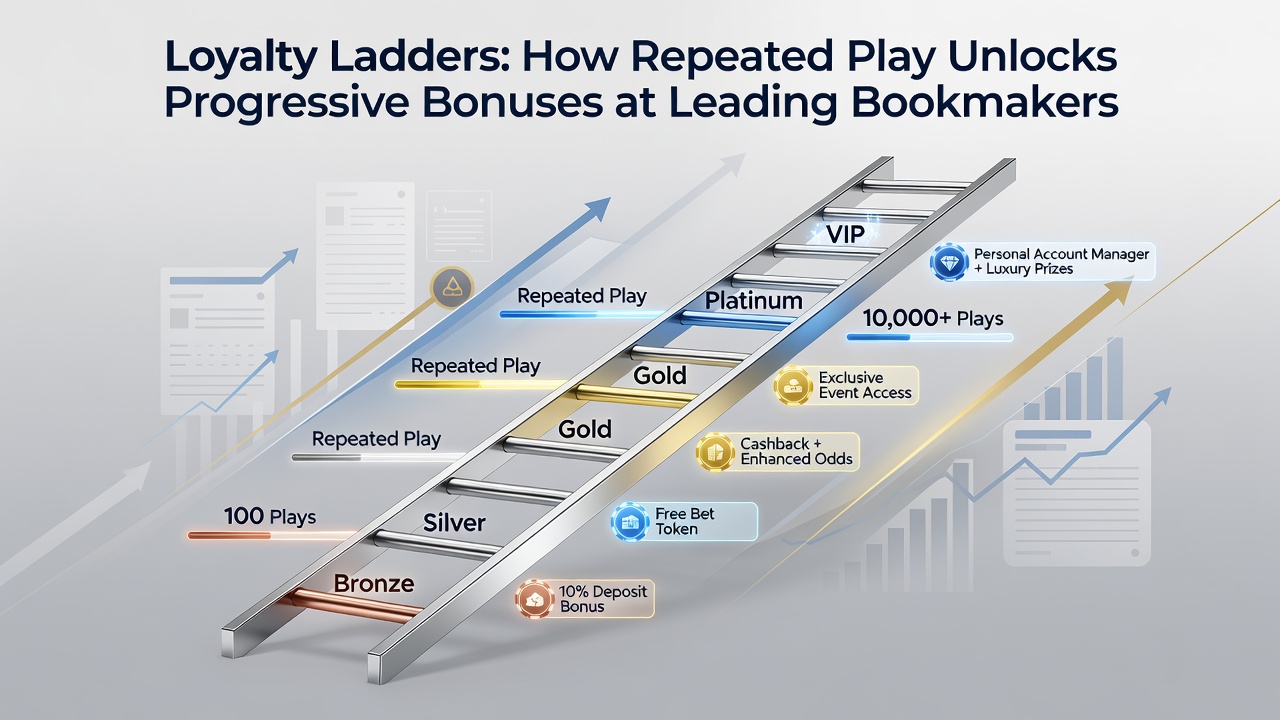
Bookmakers structure loyalty ladders as tiered programs where accumulated betting activity determines access to escalating rewards, and these systems track player volume through points earned on wagers placed across sports, casino games, and other offerings. Participants advance through levels such as bronze, silver, gold, and platinum by meeting thresholds for total stakes or frequency, which in turn activate higher cashback percentages, exclusive free bets, and personalized promotions that standard accounts do not receive.
Points accrual typically follows a fixed ratio, such as one point per pound or euro wagered, while certain bookmakers adjust multipliers during promotional windows to accelerate movement between tiers. Data from industry analyses shows that players who maintain consistent activity over several months often reach mid-tier status, unlocking features like reduced withdrawal times and dedicated account managers who coordinate tailored bonus packages. Observers note that these mechanisms encourage sustained engagement because each completed cycle resets or builds toward the next reward bracket.
Mechanics Behind Tier Advancement
Leading operators calculate progression using a combination of deposit totals, bet counts, and sometimes game-specific multipliers that favor high-volume categories like slots or live betting markets. A player starting at the entry level might need £500 in cumulative stakes to unlock the first upgrade, after which subsequent thresholds rise exponentially yet deliver proportionally larger returns in the form of percentage-based cashback applied automatically to net losses. Research indicates that automated tracking systems update balances in real time, allowing participants to monitor their position through account dashboards without manual submissions.
Seasonal adjustments appear in July 2026 as several platforms introduced temporary accelerators tied to major sporting calendars, where points earned on football and tennis markets counted double for a limited period. This approach aligns with broader patterns where operators refresh ladder structures quarterly to reflect changes in player preferences and regulatory guidelines across different jurisdictions. Those who study these programs find that transparent rules on expiration dates for unused points help maintain fairness while preventing indefinite accumulation without corresponding activity.
Progressive Rewards and Their Structure
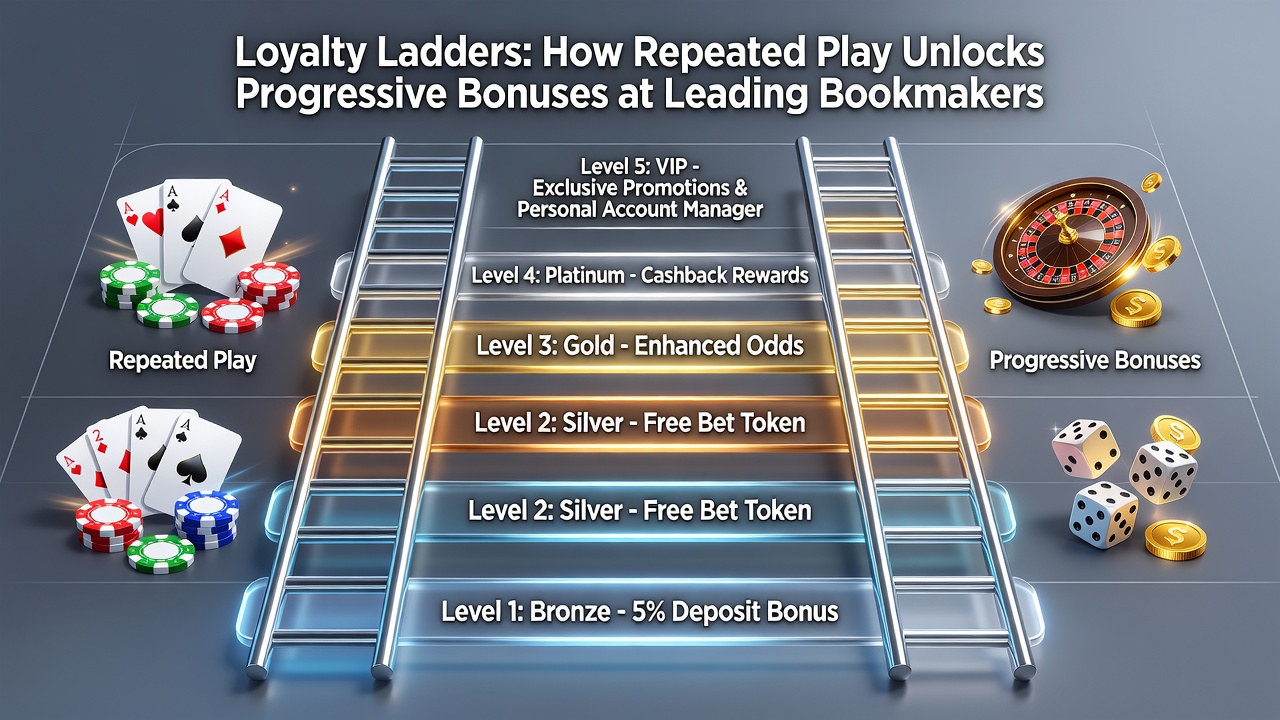
Once players reach higher rungs, rewards expand beyond basic cashback to include invitations to VIP events, priority access to new betting features, and stacked promotions that combine with standard welcome offers. For instance, gold-tier members frequently receive weekly reload bonuses calculated on prior-week activity, while platinum participants gain eligibility for bespoke cashback rates that can exceed 10 percent on qualifying losses. Figures from operator disclosures reveal that these layered incentives contribute to retention rates because they create clear pathways from modest play to substantial long-term value.
External evaluations by groups such as the American Gaming Association highlight how loyalty frameworks in regulated markets incorporate responsible play tools, including optional spending caps that pause point accumulation once limits are met. This integration ensures that progression remains tied to voluntary activity levels rather than unchecked escalation. What's interesting is that some programs now link ladder advancement to diversified betting categories, rewarding balanced participation across sports and casino verticals instead of concentrating on single formats.
Regional Variations in Implementation
European operators often emphasize casino-focused ladders with points derived from slot spins and table game wagers, whereas North American platforms integrate sports betting metrics more prominently following expansions in states like New Jersey and Pennsylvania. Reports compiled by the Responsible Gambling Council in Canada demonstrate that clear communication of tier requirements correlates with higher player satisfaction because individuals understand exactly how repeated play translates into concrete benefits. In Australia, similar systems incorporate mandatory harm-minimization features that display real-time progress alongside any active bonuses.
July 2026 updates across multiple jurisdictions introduced standardized disclosure formats for loyalty terms, requiring operators to list all progression criteria and reward values in a single accessible section. This development addresses previous inconsistencies where scattered rules made it difficult for participants to compare programs across different bookmakers. Observers note that such standardization supports informed decision-making without altering the core incentive structure that drives ongoing engagement.
Conclusion
Loyalty ladders at leading bookmakers function through measurable activity thresholds that convert repeated play into progressively valuable bonuses, and these systems continue to evolve with regulatory and technological shifts observed through mid-2026. Participants who track their point accumulation and tier status gain access to reward layers unavailable at entry levels, while industry data confirms the widespread adoption of these frameworks across international markets. The structure remains anchored in transparent rules that link stake volume directly to benefit tiers, creating predictable pathways for those who engage consistently over time.