Mapping Loyalty Pathways: How Operators Structure Ongoing Incentives Beyond Initial Deposits
Eden Brooks · Jun 1, 2026
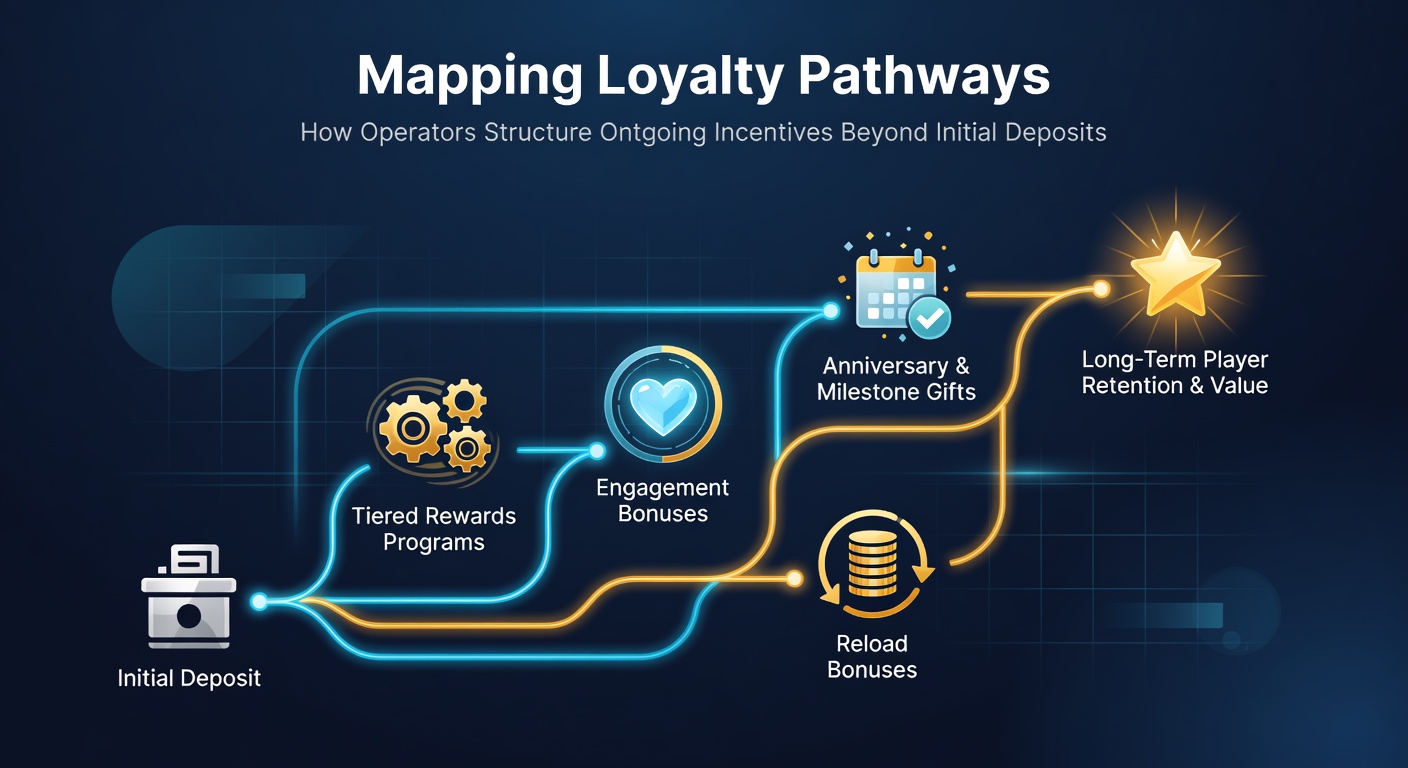
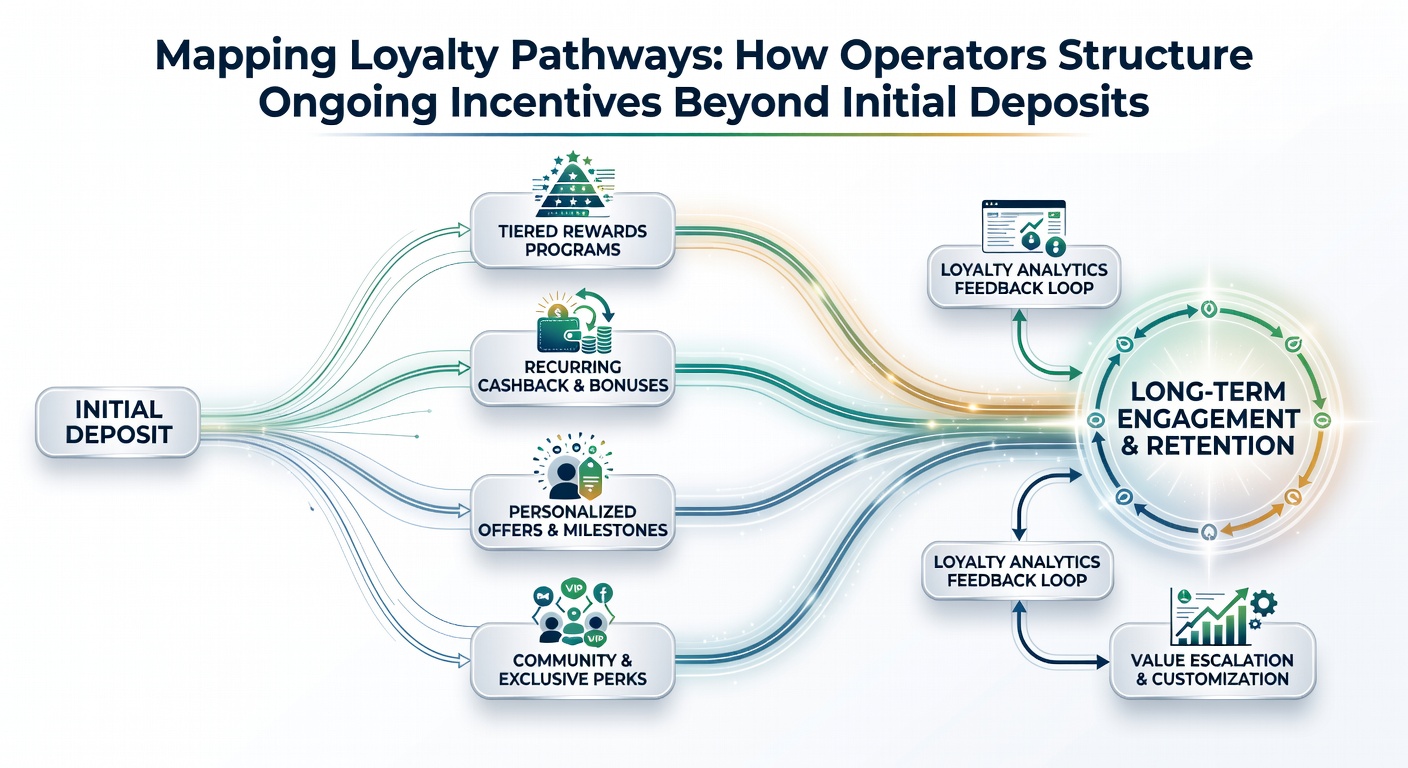
Mapping Loyalty Pathways: How Operators Structure Ongoing Incentives Beyond Initial Deposits
Operators in the betting sector have developed structured systems that extend player engagement well past the initial deposit phase, and these frameworks rely on tiered memberships, accumulated points, and targeted retention tools. Data from industry reports in early 2026 shows that such ongoing incentives now account for a significant portion of promotional budgets across major platforms, with June 2026 marking a period when several operators adjusted their structures in response to shifting player patterns and regulatory updates in multiple jurisdictions.Tiered Membership Structures
Many operators organize loyalty pathways around progressive tiers that unlock additional benefits as players accumulate activity over time, and these systems typically start at a basic level before advancing through silver, gold, and platinum categories based on deposit volume or betting frequency. Players who reach higher tiers often gain access to faster withdrawal processing, dedicated account managers, and exclusive event invitations, while the criteria for advancement draw from metrics tracked automatically through platform algorithms. One operator in Australia reported that tier upgrades increased repeat engagement rates by 28 percent during the first half of 2026, according to figures released by the Victorian Commission for Gambling and Liquor Regulation.
Advancement mechanics vary by operator, yet most rely on rolling qualification periods that reset monthly or quarterly to maintain consistent activity, and this approach prevents stagnation in lower tiers while encouraging sustained participation. Those who've examined these systems note that operators frequently communicate tier status through in-app notifications and email summaries, which helps players track progress without additional effort.
Points Accumulation and Redemption Systems
Points-based rewards form another core element of loyalty pathways, where every wager or deposit converts into redeemable credits that players exchange for free bets, merchandise, or cash equivalents, and the conversion rates often improve at higher tiers to reward longer-term loyalty. Operators structure these systems so that points expire after a set period unless used, which creates urgency while still allowing flexibility in redemption options. Research from the National Council on Problem Gambling indicates that clear point-tracking interfaces correlate with higher retention in loyalty programs across North American markets.
Redemption catalogs differ widely, yet common options include sports merchandise, event tickets, and additional betting credits, and operators update these catalogs periodically to align with seasonal interests or popular events. Players in mid-tier status frequently discover that combining points with cashback offers yields more value than using either incentive alone, and this layering effect strengthens the overall pathway design.
Retention Bonuses and Cashback Mechanisms
Beyond points and tiers, operators deploy retention bonuses that activate after specific activity thresholds, such as a set number of bets placed within a month or a minimum deposit streak, and these offers often appear as personalized messages tailored to individual betting histories. Cashback programs return a percentage of net losses over a defined period, typically ranging from 5 to 15 percent depending on tier level, and the funds credit directly to player accounts for future use. Observers note that such mechanisms gained additional traction in June 2026 as operators responded to increased competition from emerging platforms in European and Asian markets.
Personalization plays a central role here, with operators using player data to time offers during periods of reduced activity, and this strategy helps maintain engagement without relying solely on broad promotional blasts. Case studies from Canadian operators show that segmented cashback campaigns produced measurable lifts in weekly active users compared to uniform distribution methods.
Data Integration and Future Adjustments
Operators integrate loyalty data with broader player analytics to refine incentive structures continuously, and adjustments often occur after quarterly reviews that examine redemption rates and tier progression speeds. Those monitoring the sector report that June 2026 saw several platforms introduce hybrid rewards combining cashback with points multipliers during major sporting events, reflecting a shift toward event-driven loyalty boosts. This integration allows pathways to evolve based on actual usage patterns rather than static rules.
Conclusion
The mapping of loyalty pathways demonstrates how operators balance immediate rewards with long-term engagement tools, and the combination of tiers, points, and retention offers creates multiple routes for sustained player activity beyond the welcome phase. Figures from regulatory bodies and industry groups continue to track how these structures adapt to market conditions and player preferences throughout 2026 and beyond.