Mechanisms Behind Conditional Activation in Accumulator Boost Systems on Digital Betting Platforms
Eden Brooks · Jun 5, 2026
Mechanisms Behind Conditional Activation in Accumulator Boost Systems on Digital Betting Platforms
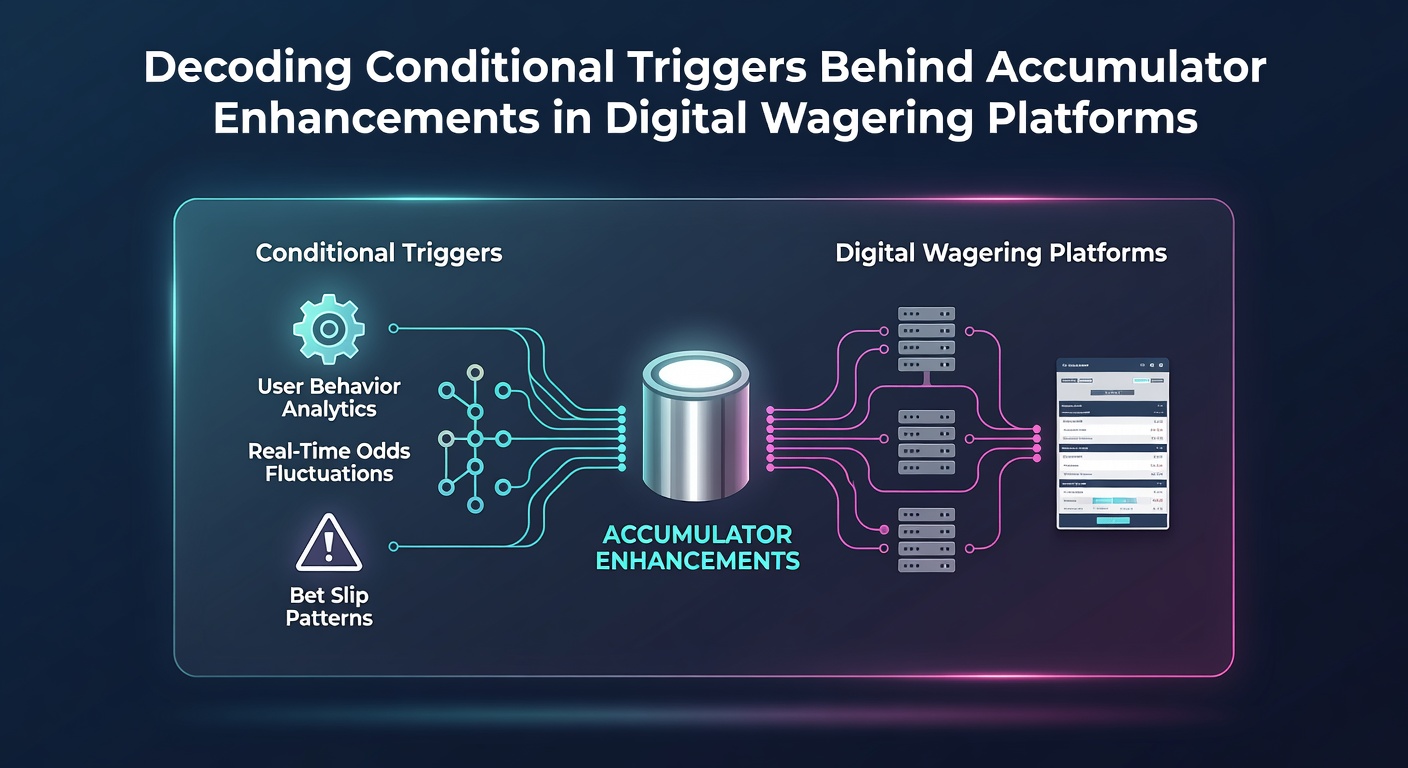
Digital wagering platforms deploy accumulator enhancements through layered conditional triggers that activate only when predefined parameters align across multiple bet legs, and these systems have evolved rapidly as operators refine their backend logic to manage risk while expanding promotional reach. Observers note that such enhancements typically multiply returns on multi-selection wagers once conditions like minimum total odds, required leg counts, or sport-specific inclusions are satisfied, creating a dynamic framework that responds in real time to user selections.
Core Components of Conditional Triggers
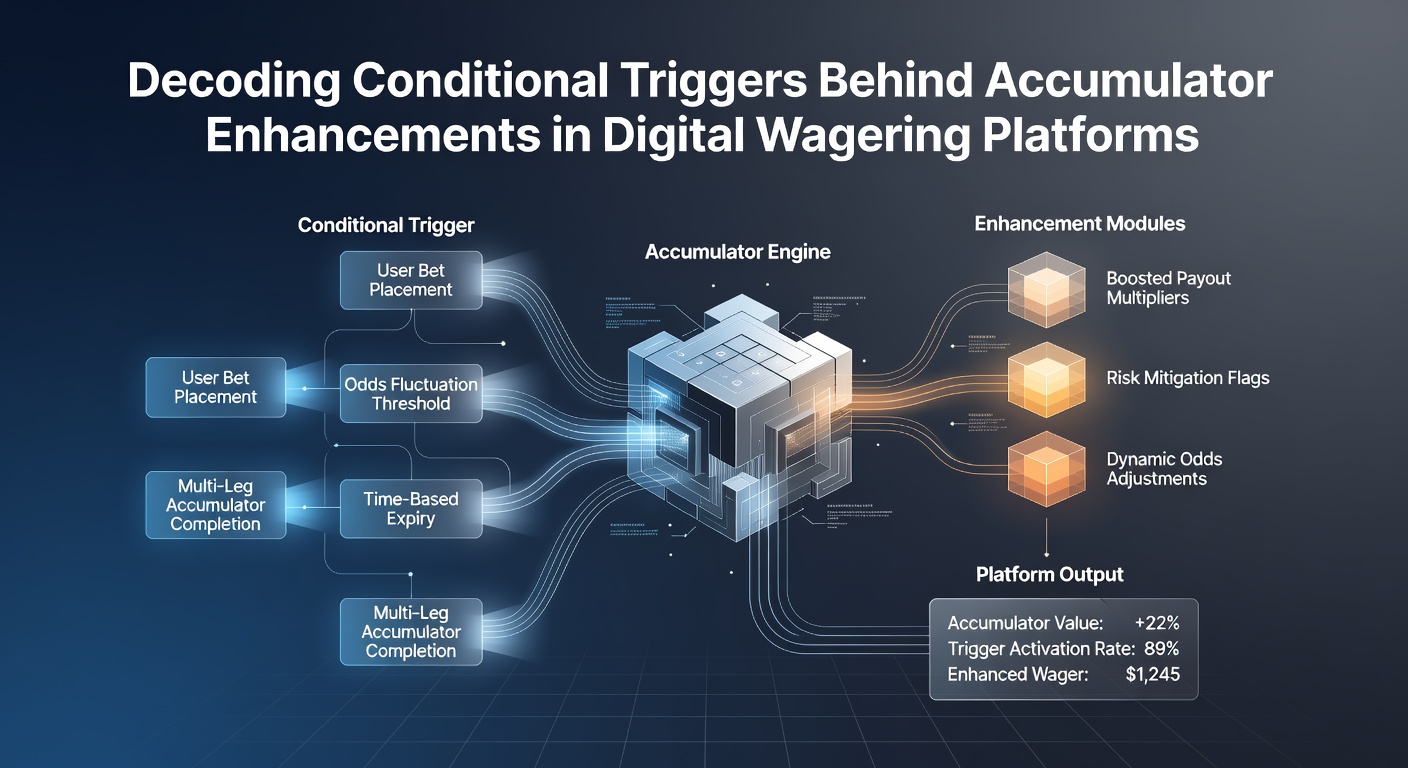
Conditional triggers operate as rule-based scripts embedded within platform algorithms, where each accumulator must meet thresholds before any boost applies, and these rules draw from data points including odds ranges, event types, and stake limits. Researchers at institutions studying gaming technology have documented how platforms segment triggers into categories such as quantity-based conditions that demand four or more legs, odds-floor requirements that enforce combined prices above set values, and thematic filters that restrict eligibility to certain leagues or markets. Data from industry reports indicates these layered checks prevent indiscriminate bonus distribution while steering bettors toward higher-margin selections that align with operator objectives.
Platforms integrate these triggers through API-driven interfaces that evaluate selections instantaneously, updating displayed returns as soon as criteria shift, and this real-time recalculation relies on server-side processing that cross-references live odds feeds with stored promotional parameters. Those who analyze platform architecture point out that conditional logic often incorporates exclusion lists, automatically disqualifying certain high-risk events or low-liquidity markets to maintain payout stability.
Technical Deployment Across Major Platforms
Leading operators implement these systems via modular software stacks that allow rapid updates to trigger conditions without full platform overhauls, and June 2026 saw several providers roll out refined filters that incorporated weather-dependent event data for outdoor sports accumulators. This adjustment enabled boosts to activate only when forecasts met stability thresholds, adding another variable layer to the existing odds and leg requirements. Industry organizations tracking digital wagering trends report that such integrations reduce exposure during volatile periods while maintaining user engagement through visible progress indicators on bet slips.
One prominent approach involves cascading triggers where initial conditions unlock secondary multipliers, creating compounded enhancements once users satisfy progressive milestones, and this structure appears in multiple mobile applications that display tiered boost percentages. Academic studies on algorithmic decision-making in gaming environments highlight how these cascades rely on weighted scoring models that prioritize certain bet combinations over others based on historical margin data.
Regional Variations in Trigger Design
European platforms frequently emphasize sport-diversity conditions that require selections from at least three distinct categories, whereas North American operators lean toward minimum-stake thresholds paired with specific event timing windows. According to analysis from the Responsible Gambling Council, these geographic differences reflect varying regulatory pressures and market maturity levels, with Australian operators adding time-bound windows that tie boosts to events occurring within defined calendar periods. Figures from gaming associations reveal that platforms in these regions adjust trigger sensitivity quarterly to align with seasonal betting volumes.
Additional layers often include user-segmentation rules that apply stricter conditions to high-volume accounts while relaxing some parameters for newer registrants, and this tiered approach stems from risk-modeling practices documented in technical papers on wagering infrastructure. The result is a system that scales promotional generosity according to behavioral profiles without manual intervention.
Data Patterns Emerging in Mid-2026
Platform analytics shared through trade publications show that accumulator enhancements triggered most consistently when users combined football and tennis legs meeting a combined odds floor of 4.5 or higher during June 2026, with activation rates climbing noticeably around major tournament clusters. These patterns emerge from aggregated selection data processed through machine-learning modules that refine trigger thresholds based on uptake metrics. Observers tracking these shifts note corresponding increases in average bet leg counts as users adapt selections to unlock visible multipliers displayed on screen.
Cross-platform comparisons indicate that operators incorporating live conditional feedback loops achieve higher completion rates for enhanced accumulators compared with static promotion models, and this feedback appears through progress bars or color-coded alerts that update with each added selection. Research institutions examining user-interface influences on betting behavior have recorded how such visual cues correlate with extended session durations across tested applications.
Conclusion
Conditional triggers form the operational backbone of accumulator enhancements on digital wagering platforms by enforcing precise activation criteria that balance promotional appeal with operational safeguards, and ongoing refinements continue to incorporate new data streams such as event-specific variables. As platforms update these systems through 2026 and beyond, the interplay between rule complexity and user adaptation shapes how enhancements distribute across diverse betting populations. Those monitoring industry developments expect further integration of predictive elements that anticipate likely trigger satisfaction rates before final submission.