Promotional Timing Strategies Matching Engagement Patterns in Digital Betting Environments
Alex Schmidt · Aug 3, 2026
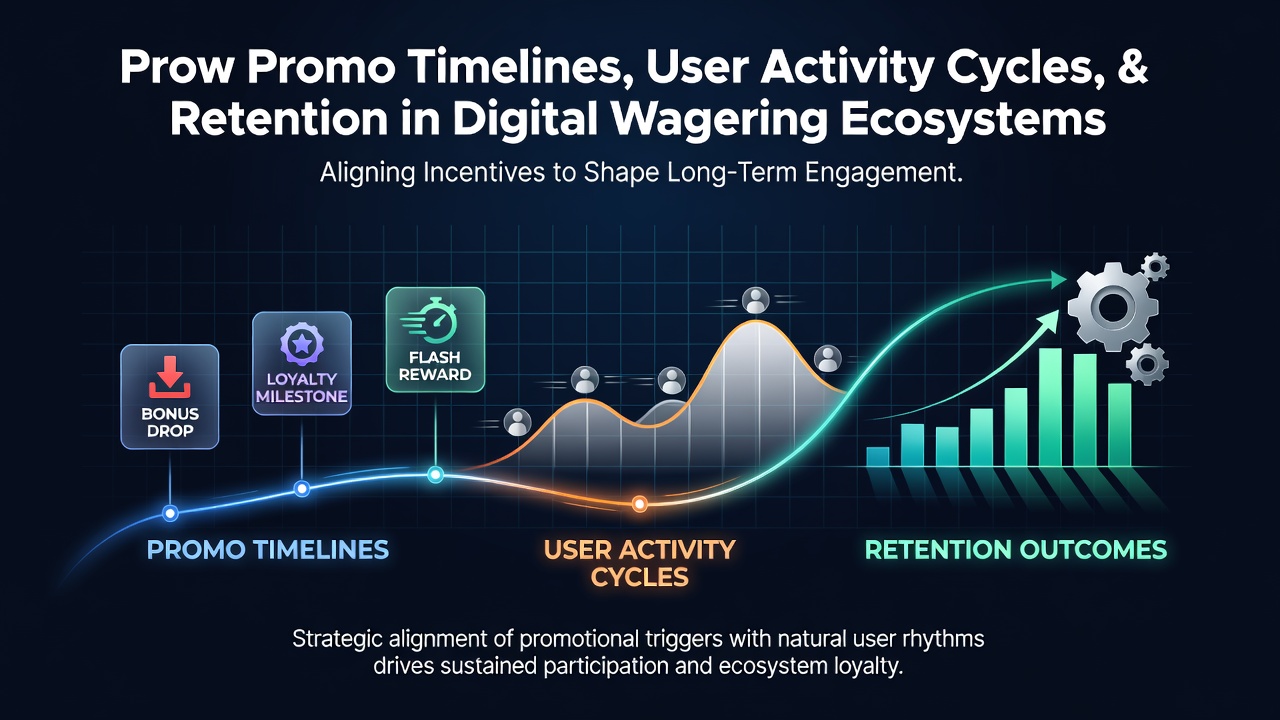
Promotional Timing Strategies Matching Engagement Patterns in Digital Betting Environments
Data from multiple jurisdictions shows that promotional timelines in digital wagering platforms often coincide with recurring user activity patterns such as post-payday logins, weekend engagement spikes, and event-driven surges around major sports calendars, which in turn correlate with measurable retention metrics tracked by operators.
Activity cycles typically follow predictable rhythms where daily peaks occur during evening hours, weekly increases align with midweek and weekend periods, and monthly fluctuations track income cycles, while operators adjust bonus releases to intersect these moments without extending into off-peak lulls that see lower logins.
Mapping User Activity Cycles Across Platforms
Platform analytics indicate that users in digital wagering ecosystems display clustered behaviors tied to external factors like salary deposits on the first and fifteenth of each month, alongside heightened sessions during international sporting events that span multiple time zones, and researchers tracking these patterns through anonymized datasets have noted consistent returns when incentives appear within 24 to 48 hours of those deposit windows.
Studies conducted across North American and European markets reveal that engagement dips midweek unless interrupted by targeted reload offers timed to coincide with mid-month pay cycles, whereas August 2026 data from several operators showed elevated pre-season football activity that operators met with early-bird accumulator boosts released on the first Monday of the month to capture returning users after summer lulls.
Designing Promo Timelines Around Observed Behaviors
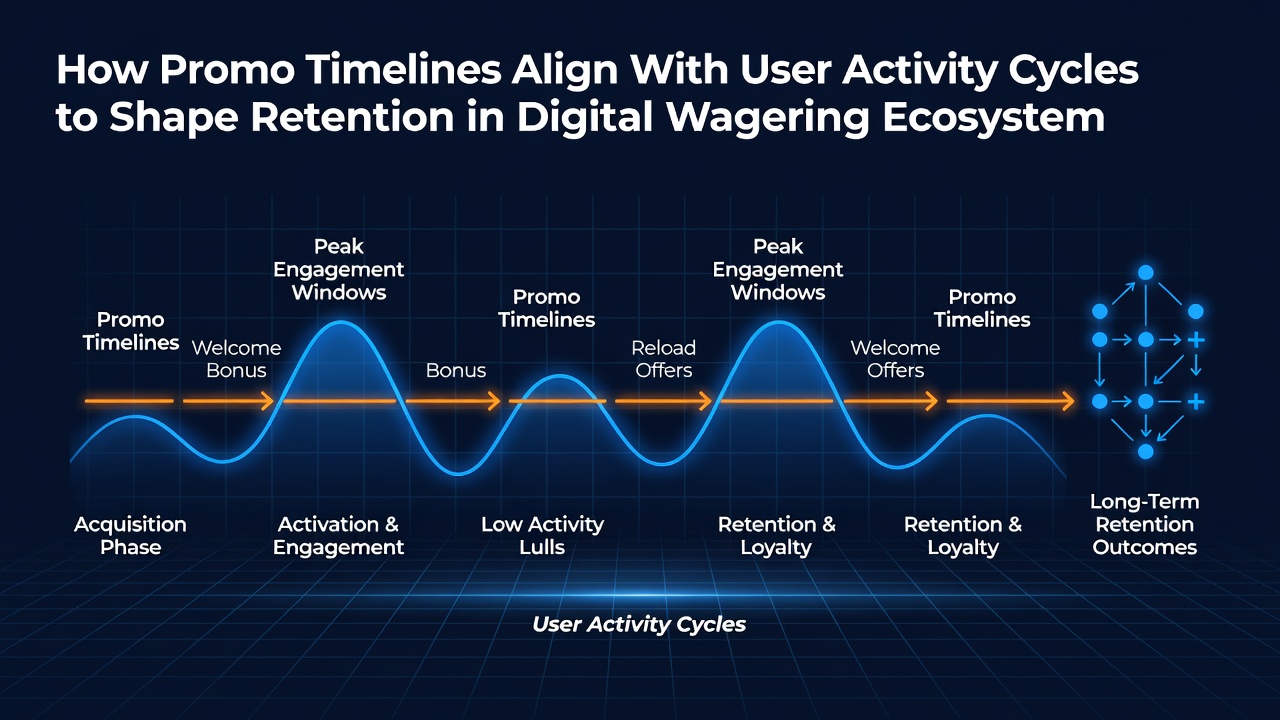
Operators structure welcome sequences to unfold over the initial seven to fourteen days after registration, releasing matched deposits and free bet credits on days three, seven, and ten to match the point where new accounts typically complete their first three sessions, and this cadence draws from aggregated telemetry that shows churn risk rising sharply after the fifth inactive day.
Time-limited offers, such as flash bonuses available only during Thursday evening windows, have been deployed to intercept the transition from workweek routines into weekend planning, with figures from Australian regulatory filings indicating that such timed releases sustained session lengths by an average of 18 percent compared to untimed equivalents distributed randomly throughout the month.
Retention Outcomes Linked to Synchronized Releases
Retention rates improve when bonus availability overlaps with documented high-intent periods, for instance when cricket or tennis tournaments generate daily traffic spikes, and one longitudinal review by the Australian Gambling Research Centre documented that platforms synchronizing 72-hour promotional windows with tournament starts retained 12 percent more accounts through the following quarter than those using static calendars.
Reload campaigns released on the 25th of each month, positioned just before month-end salary cycles, have produced repeat deposit rates that climb steadily through the first week of the next period, while data compiled by the National Council on Problem Gambling in the United States highlights parallel patterns where mismatched timing led to faster account dormancy among moderate-frequency users.
Adjustments Observed in Mid-2026 Campaigns
During August 2026, several operators shifted promotional calendars forward by one week to capture early fantasy league sign-ups and pre-season friendlies, releasing no-deposit credits on the 8th rather than the 15th, which aligned with observed login clusters that began two days earlier than in prior summers, and subsequent retention tracking showed these adjustments preserved monthly active user counts at levels comparable to peak winter months.
Seasonal realignments also incorporated shorter-duration flash promos during evening hours in regions with strong after-work betting traffic, producing session completion rates that held steady even as overall market volumes fluctuated, according to aggregated industry telemetry shared at international conferences.
Conclusion
Evidence across regulatory reports and platform datasets confirms that retention in digital wagering ecosystems strengthens when promotional timelines are calibrated to intersect established user activity cycles, whether those cycles follow salary deposits, sporting calendars, or daily engagement peaks, and operators continue to refine these intersections through iterative analysis of anonymized behavioral records that span multiple jurisdictions and fiscal periods.