Randomized Trial Exposes How Gambling Marketing Fuels More Bets, Spending, and Harms Among Regular Punters
Eden Brooks · Mar 19, 2026

Randomized Trial Exposes How Gambling Marketing Fuels More Bets, Spending, and Harms Among Regular Punters
The Experiment That Put Marketing's Impact to the Test
Researchers at Central Queensland University, working alongside Dr. Philip Newall from the University of Bristol, launched a randomized controlled trial in early 2026 that zeroed in on how direct marketing from gambling operators affects real people; they recruited 227 regular gamblers, split them into two groups, and tracked their behavior over two weeks while one group received a barrage of promotional emails and app notifications offering free bets, and the other opted out entirely from such contacts.
Data from the study, published in the journal Addiction, reveals a stark causal connection between these marketing tactics and heightened gambling activity, since those bombarded with offers placed 23% more bets, shelled out 39% more money, and experienced 67% more short-term harms like emotional distress compared to their counterparts who escaped the promotional onslaught.
What's interesting here is that this setup unfolded in a live, real-world environment—participants used their own accounts with actual bookmakers—so the results carry weight beyond lab simulations, showing how everyday tactics like personalized free bet lures can nudge people toward riskier play without them even realizing it at first.
Breaking Down the Methodology and Participant Profile
The trial's design stands out for its rigor; experts randomly assigned participants—who all qualified as regular gamblers based on prior activity levels—to either the marketing exposure group or the opt-out control, ensuring factors like age, betting history, and preferences stayed balanced across both sides, which strengthens claims of causation rather than mere correlation.
Over those critical two weeks in March 2026, the exposed group fielded offers tailored to their habits—think emails promising bonus credits for quick deposits or push notifications hyping limited-time free bets—while the control group enjoyed radio silence on promotions, although they could still access sites voluntarily; researchers then measured outcomes through self-reported data on bets placed, money spent, and harm indicators such as stress or regret tied to gambling sessions.
Take one observer's note on the participant makeup: these were everyday punters from the UK, many hooked on sports betting, who averaged multiple sessions weekly before the study began, making the findings relatable to the broader crowd navigating bookmaker apps and inboxes daily.
And the stats? They hit hard—23% more bets isn't just a number; it translates to dozens of extra wagers per person, piling up losses faster, while the 39% spike in spending underscores how these nudges erode budgets, especially since free bet fine print often requires matched deposits to cash out winnings.
Quantifying the Harms: From Bets to Emotional Toll
But here's the thing that grabs attention: the 67% jump in short-term harms reported by the exposed group, including spikes in distress after losing streaks or guilt over chasing bonuses, highlights a ripple effect beyond financial hits; those in the trial described feeling pressured to act on time-sensitive offers, leading to impulsive decisions that regular opt-out folks sidestepped more easily.
Figures from the study summary paint a clear picture, with researchers logging not just raw numbers but also qualitative insights—participants noted how notifications interrupted daily routines, turning a casual check-in into marathon sessions fueled by "just one more free bet" temptations.
Experts who've pored over the data point out that these harms compound quickly; a 39% spending increase might seem manageable weekly, but stretched across months, it spells trouble for vulnerable punters already prone to overextension, and that's where the trial's real-world tracking shines, capturing behaviors as they happen rather than relying on fuzzy recall months later.
So, in numbers: exposed gamblers averaged substantially higher engagement metrics across all tracked variables, confirming that direct marketing doesn't just boost operator revenue—it directly amps up user risks in ways that opt-out protections could blunt.
Researchers Spotlight a Causal Link Long Suspected
Dr. Philip Newall and the Central Queensland University team emphasize their work's novelty; previous studies hinted at marketing's influence through surveys or correlations, but this randomized setup establishes true cause-and-effect in a field often muddied by self-selection biases, since participants gambled with their real stakes on familiar platforms.
The paper, titled "Direct gambling marketing, direct harm: a randomised experiment," lays out how even brief exposure—two weeks of targeted blasts—yields measurable damage, prompting calls for evidence-based curbs on the volume and timing of such promotions.
Observers note parallels to broader patterns; punters who've opted out anecdotally report clearer heads and steadier habits, aligning with the trial's control group who bet less aggressively without the constant digital prods urging them to "claim now" or risk missing out.
Tying Findings to UK Regulatory Push
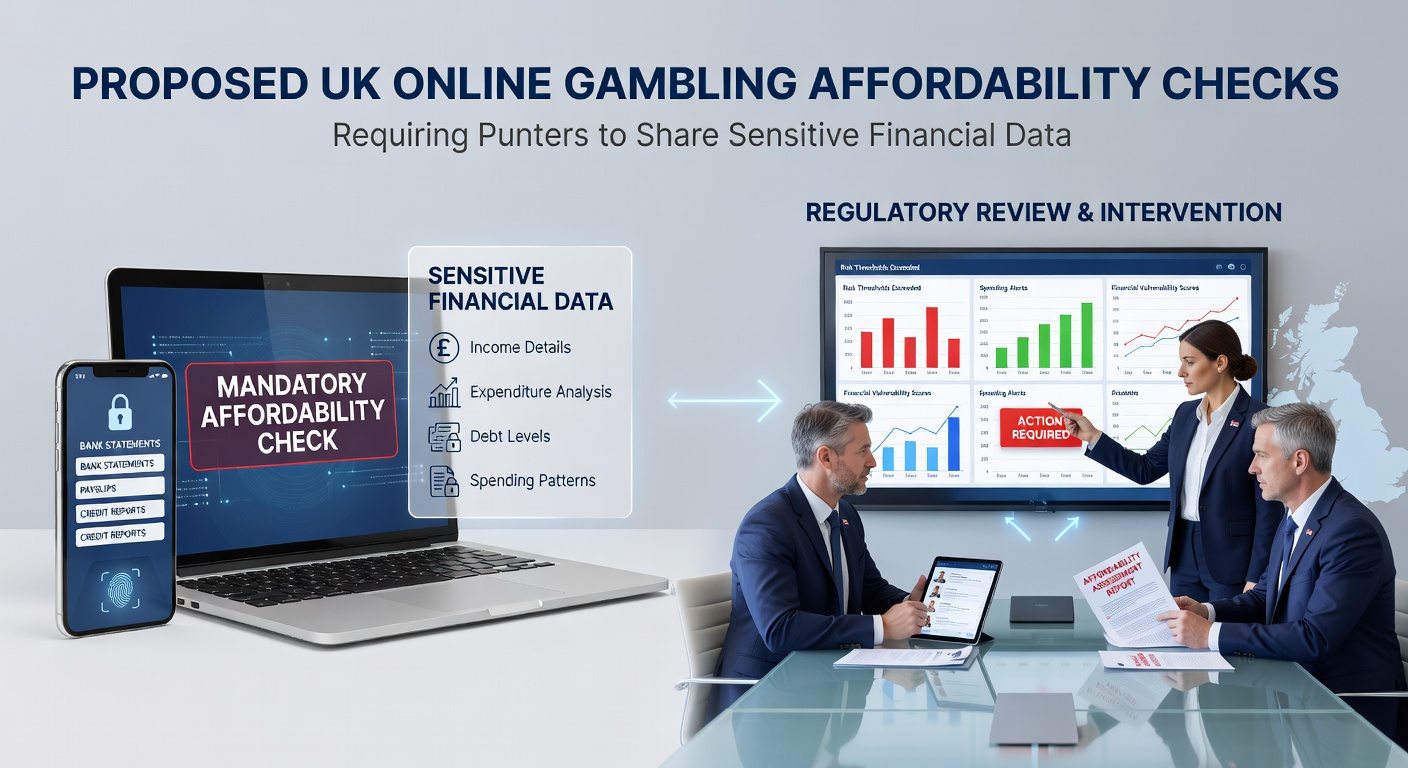
This research lands amid growing scrutiny of gambling marketing in the UK, directly referencing the government's 2023 white paper that proposed affordability checks and advertising limits, yet implementation lags have left direct emails and notifications largely unchecked for regular gamblers.
Figures reveal the stakes: with millions receiving daily offers, scaling the trial's 23-39-67% hikes nationally could mean billions in extra spending and widespread harms, especially as sports seasons ramp up betting fervor; the study's timing in March 2026, just before major events, underscores urgency for regulators to act on opt-out defaults or whitelisting only.
And then there's the human side—a Manchester gambler shared his story alongside the findings, recounting how relentless free bet emails spiraled his habit from weekend flutters to daily addiction, draining savings and straining relationships until he fought back with self-exclusion; cases like his illustrate the trial's stats in raw, personal terms, showing how marketing preys on momentum once engagement starts.
Those who've studied regulatory gaps observe that while ads face broadcast curbs, digital direct tactics slip through, bombarding inboxes and phones precisely when punters feel most tempted—post-loss or during live events—making opt-out trials like this a blueprint for reform.
Broader Context and What the Numbers Imply
Delving deeper into the metrics, the 23% bet increase breaks down to more frequent logins and higher session lengths for the exposed cohort, while spending jumped not from bigger individual wagers but from sheer volume, a pattern experts link to bonus psychology where free bets create perceived value that hooks users into risking their own cash.
Short-term harms at 67% higher included self-rated distress scales spiking after promotional-driven losses; participants flagged anxiety over unmet bonus conditions or FOMO from ignored offers, effects that faded quicker in the control group enjoying promotional peace.
It's noteworthy that the study controlled for baseline risks—both groups started similar, yet divergence grew pronounced by week two—proving marketing as the catalyst; researchers advocate for policy mimicking the opt-out arm, where harms dropped naturally without behavioral nudges.
People familiar with the UK scene point to rising calls for pre-commitment tools, letting punters set exposure limits upfront, since data indicates such measures could replicate trial benefits at scale.
Conclusion: Evidence Paving the Way for Change
The Central Queensland University and University of Bristol trial delivers unambiguous proof—direct marketing drives up bets by 23%, spending by 39%, and harms by 67% in real-world conditions—tiling the path for UK regulators to tighten reins on emails, notifications, and free bet barrages as outlined in the 2023 white paper.
With stories like the Manchester punter's echoing the stats, and March 2026's publication timing spotlighting peak-season risks, stakeholders now hold hard data to push beyond voluntary codes toward mandatory opt-outs; turns out, when the promotional noise quiets, so does the harm, leaving punters better equipped to bet on their terms—or not at all.
In the end, this one study shifts the conversation from suspicion to certainty, arming advocates with randomized facts that demand action before more inboxes turn into gateways for regret.