Reload Incentives Driving Sustained User Activity in Digital Ecosystems
Alex Schmidt · Jun 24, 2026
Reload Incentives Driving Sustained User Activity in Digital Ecosystems
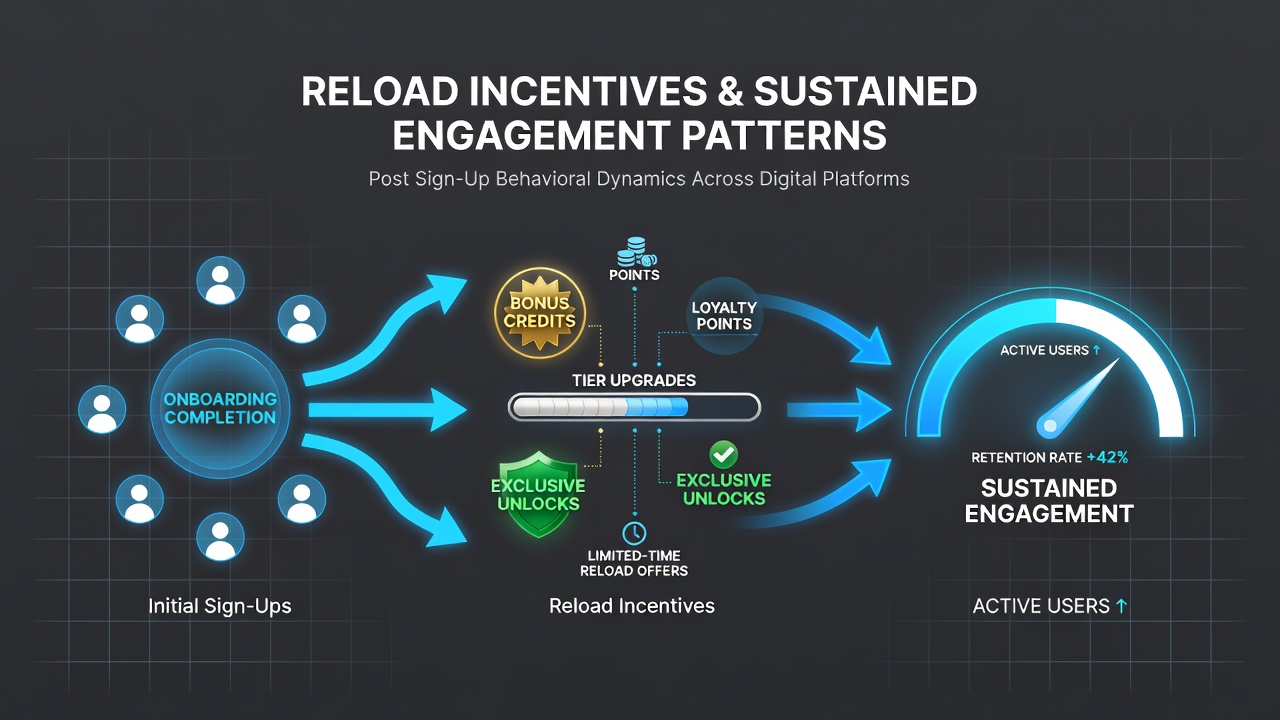
Digital platforms have refined reload incentives as tools to extend user participation well past the initial registration phase, with structured offers appearing at regular intervals to encourage repeat interactions. These mechanisms often include deposit matches, loyalty points, and tiered rewards that activate after the welcome period ends, creating cycles of activity that align with user behavior data collected from millions of accounts worldwide.
Core Patterns Observed in 2026
Analysts tracking platform metrics through June 2026 noted a clear shift toward personalized reload structures that adapt based on individual usage frequency rather than blanket promotions applied to all accounts. Platforms in gaming, fintech, and content subscription services deploy these incentives when activity drops below certain thresholds, which helps restore momentum without relying solely on broad advertising campaigns.
One emerging pattern involves time-bound reload windows that coincide with external events such as major sports calendars or seasonal content drops, prompting users to return during high-interest periods. Data from multiple regions indicates that such timed offers generate higher completion rates compared to static monthly bonuses, because they tie directly into moments when users already show elevated platform interest.
Mechanics Behind Effective Reload Systems
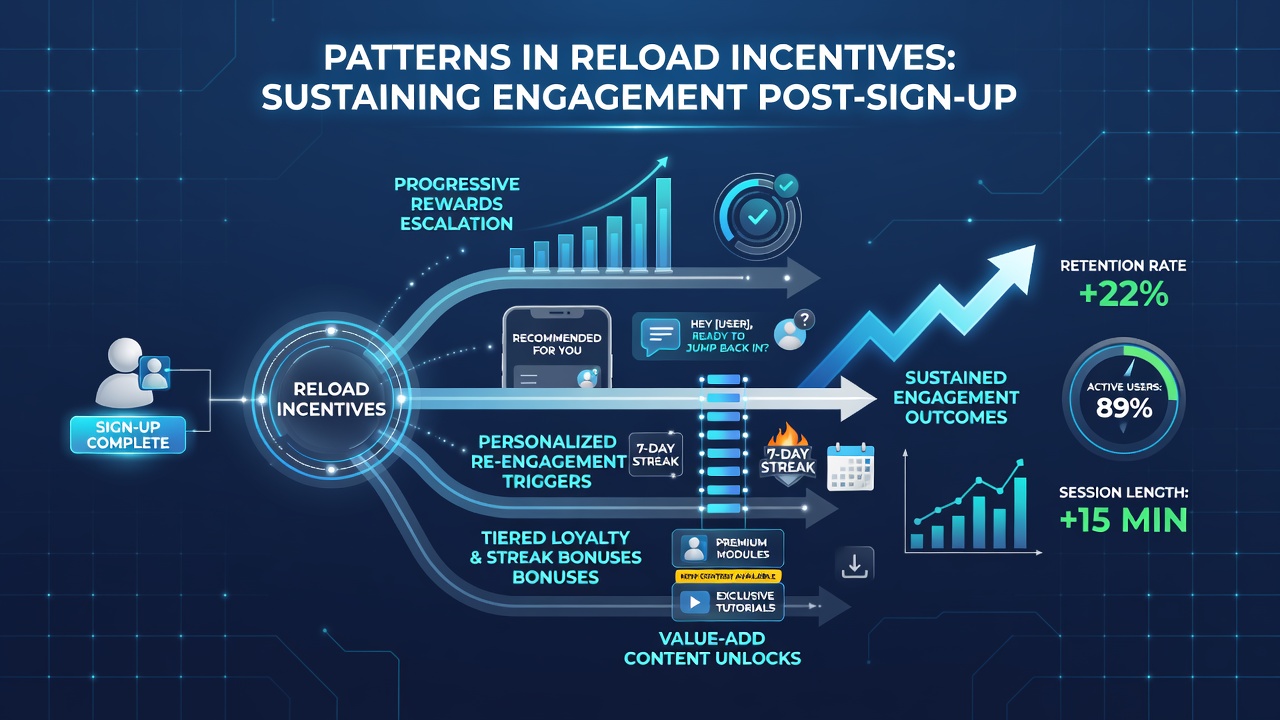
Reload incentives frequently combine cashback elements with progress-based rewards, where accumulated activity unlocks escalating benefits over successive weeks or months. This layered approach appears in fitness applications that credit users for consistent logins alongside transaction-based platforms that reward completed purchases after the first month.
Platforms also integrate social components into reload offers, allowing users to share achievements or invite connections in exchange for bonus multipliers. Research from academic institutions has examined how these community features extend session lengths, with findings published through university repositories highlighting measurable increases in daily active users when social triggers accompany reload mechanics.
Regional Variations and Data Trends
European and North American platforms demonstrate distinct reload cadences, with some favoring weekly micro-rewards while others concentrate value in bi-weekly or monthly drops. Figures from industry associations outside the UK reveal that platforms adopting hybrid models combining both frequencies maintain steadier engagement curves through mid-2026.
Observers note that reload incentives increasingly incorporate responsible usage caps, limiting total bonus value per account to prevent overextension while still providing meaningful retention value. This balance reflects evolving platform policies shaped by regulatory guidance from bodies such as those in Australia and Canada.
Case Examples Across Sectors
Take streaming services that introduced reload credits for continued viewing streaks after initial trials concluded, resulting in documented upticks in subscription renewals tracked through June 2026. Similarly, e-commerce marketplaces have tested reload vouchers tied to repeat category purchases, showing sustained order volumes among users who engaged with the offers multiple times.
Fintech applications have applied reload cash incentives following the first account funding round, with patterns indicating that users receiving these targeted boosts complete additional transactions at rates higher than control groups without such incentives. A study referenced by the Pew Research Center explored comparable retention effects across digital financial tools.
Conclusion
Patterns in reload incentives continue to evolve as platforms refine timing, personalization, and reward structures to support ongoing engagement. By June 2026, these systems had integrated more deeply with user data analytics, creating feedback loops that adjust offers dynamically while maintaining compliance across different regulatory environments. The result appears in extended platform lifecycles that stretch well beyond initial sign-up phases across multiple digital sectors.