Retention Tactics Unpacked: How Ongoing Perks Keep Active Punters Engaged Beyond Initial Sign-Ups
Taylor Friedrich · May 27, 2026
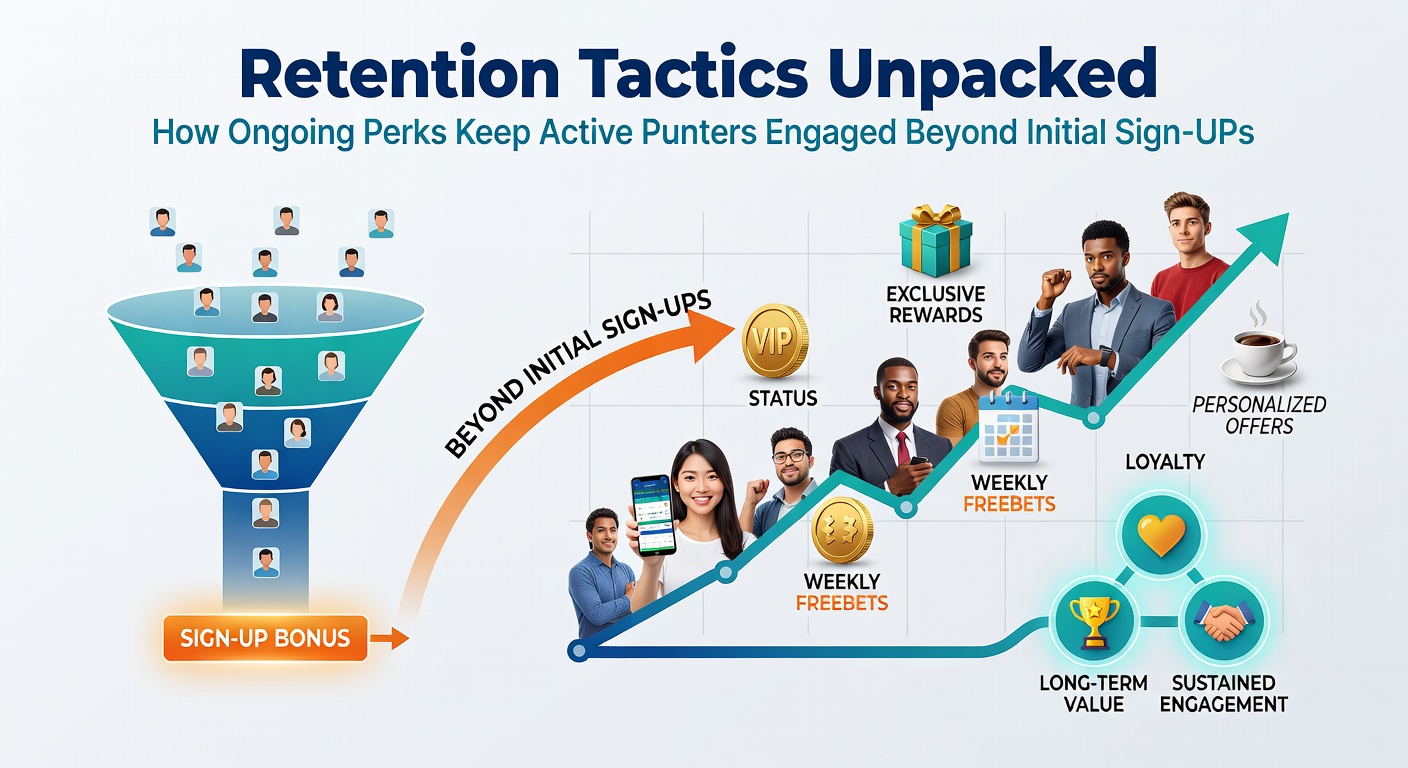
Retention Tactics Unpacked: How Ongoing Perks Keep Active Punters Engaged Beyond Initial Sign-Ups
Bookmakers across Britain deploy retention strategies that extend well past welcome packages, and these approaches combine loyalty tiers, reload offers, and personalized incentives to maintain activity among established users throughout 2026. Operators structure these programs around consistent engagement metrics, which data shows translate into higher retention rates compared to one-time promotions alone.
Core Components of Retention Programs
Loyalty schemes form the backbone of many retention efforts, where punters accumulate points through regular bets and these points convert into free bets or cash equivalents at set intervals. Research indicates that tiered systems, which advance users from basic to premium levels based on deposit volume and wager frequency, create progressive rewards that scale with continued participation. In May 2026 operators adjusted several tier thresholds to align with seasonal sports calendars, and this timing coincided with increased football and tennis activity that kept users logging in more often.
Reload bonuses represent another layer, typically triggered on weekly or monthly deposits, and they often include deposit matches or risk-free bet credits that require specific playthrough conditions. These offers differ from initial sign-up deals because they reset regularly, which encourages punters to maintain account balances rather than withdraw winnings immediately. Figures from industry reports reveal that reload campaigns account for a substantial share of promotional spend in mature markets.
Personalization and Data-Driven Offers
Operators use player data to tailor ongoing perks, sending targeted communications that reference recent betting patterns or favored sports. This method allows bookmakers to deliver free bet credits or enhanced odds on events a user has bet on before, and such customization increases the likelihood of repeat deposits according to studies conducted by academic institutions. One example involves a punter who frequently backs Premier League accumulators receiving mid-week reload deals specifically tied to midweek fixtures, which sustains activity during slower periods.
Seasonal and Event-Based Incentives
Beyond fixed loyalty structures, bookmakers introduce time-limited promotions around major tournaments or holidays that function as retention tools. These campaigns often bundle cashback on losses or accumulator boosts, and they appear in May 2026 ahead of international cricket series and summer racing meets. External data from the Australian Gambling Research Centre shows similar patterns where event-driven perks lift engagement metrics by double digits during peak windows.
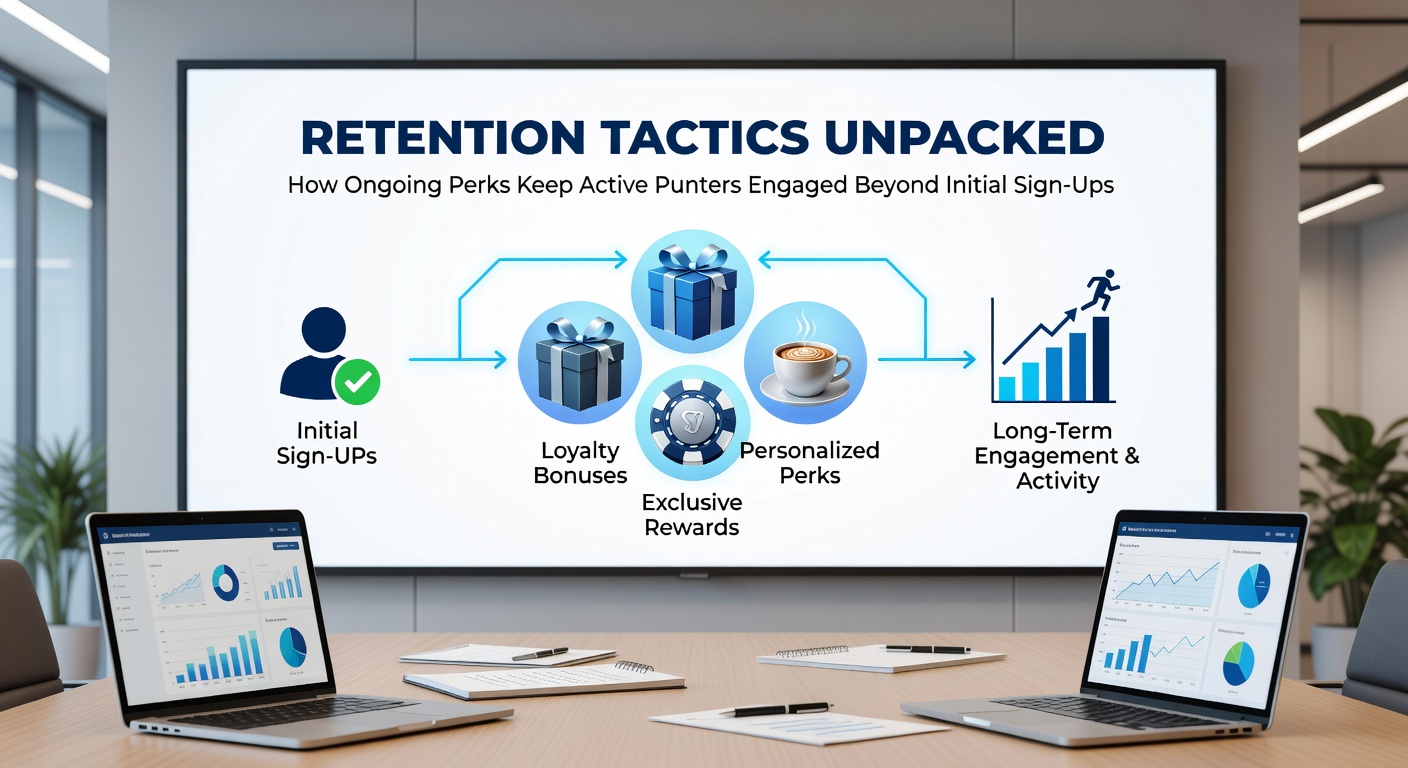
Virtual sports and e-sports sections also receive dedicated retention offers, such as daily free bet drops for consistent participation in simulated events. These digital products operate around the clock, which gives operators an avenue to deliver perks outside traditional sporting calendars and keep accounts active during off-peak hours. Observers note that users who engage with these sections tend to receive more frequent personalized reloads as a direct result of their steady interaction data.
Measuring Effectiveness Through Industry Metrics
Retention success appears in metrics like monthly active users and average revenue per user, where operators track how ongoing perks influence these numbers over quarters rather than single months. A report published by the University of Nevada Gaming Research Center highlights that markets employing layered retention programs experience slower player churn compared to those relying primarily on acquisition bonuses. In the UK context, such programs have expanded in response to regulatory changes that limit certain advertising channels, pushing operators toward direct account-based incentives instead.
Partnerships with payment providers sometimes integrate cashback features that automatically credit portions of losses back to player accounts at the end of a week, and these mechanisms operate without additional user action once activated. This passive element distinguishes retention tactics from claim-based promotions and helps maintain engagement even when punters experience short losing streaks.
Conclusion
Ongoing perks in the betting sector operate through interconnected loyalty frameworks, data-tailored offers, and recurring incentives that collectively extend user lifecycles beyond the initial deposit phase. As operators refine these approaches in 2026, the focus remains on measurable engagement patterns that sustain activity across varied sports and digital products. The structure of these programs continues to evolve with market conditions while remaining grounded in the same core principle of rewarding consistent participation.