Stack the Odds: Free Bet Layers and No-Deposit Boosts Reshape UK Betting Strategies
Alex Schmidt · Mar 15, 2026

UK Gambling Commission Unveils Q3 2025 Stats: GGY Surges 6.6% to £4.3 Billion While Participation Holds Steady
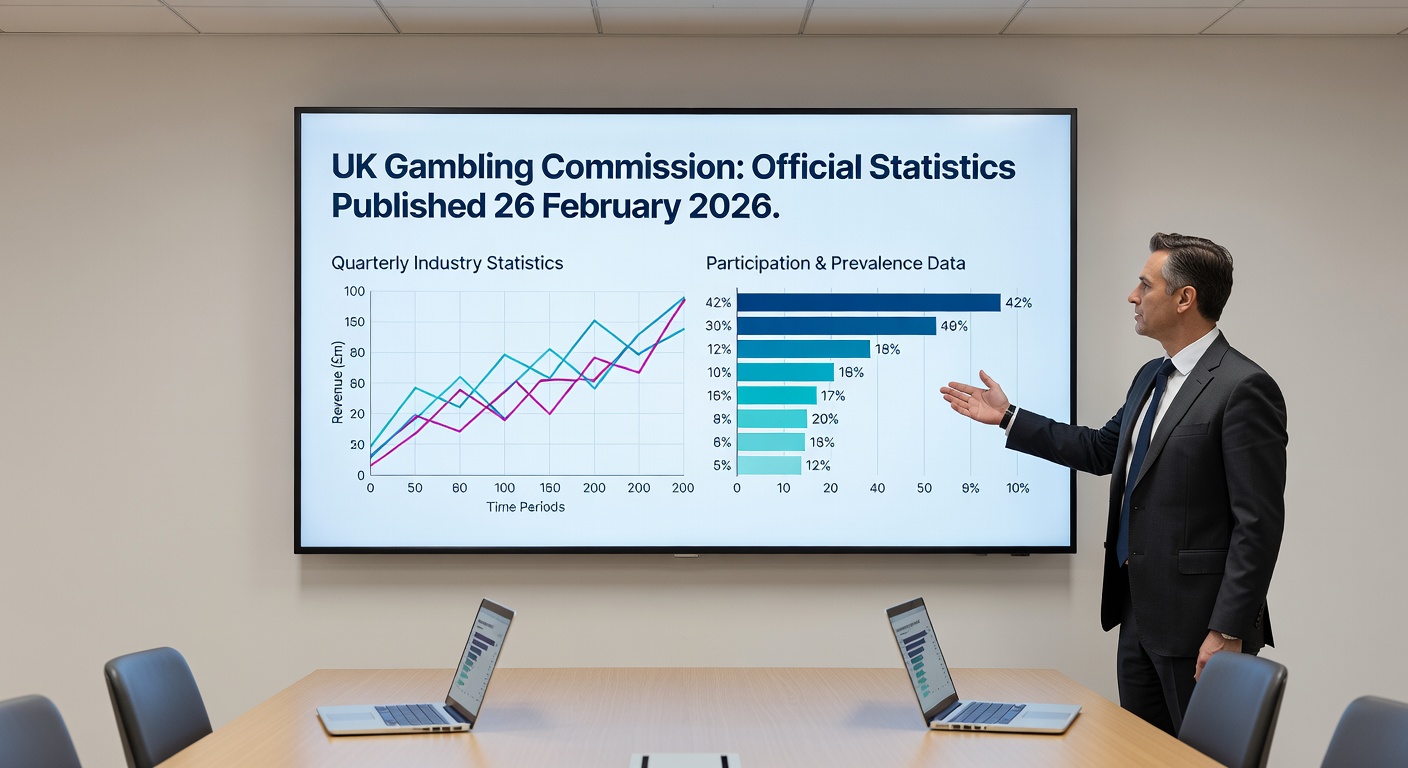
Key Highlights from the February 2026 Release
The UK Gambling Commission dropped two critical sets of official statistics on 26 February 2026, pulling together data from July to September 2025 for industry metrics and extending to October for participation trends, painting a clear picture of a sector that's growing in revenue yet stable in player numbers. Gross Gambling Yield (GGY) climbed 6.6% year-on-year to hit £4.3 billion, a figure that underscores robust performance across specific verticals while other areas tread water; remote casino games and lotteries led the charge, with remote casinos posting particularly sharp gains that observers link to increased online accessibility and evolving player preferences.
But here's the thing: adult gambling participation didn't budge, sticking at 48% for the past four weeks, which means roughly the same slice of the UK population dipped into betting or gaming activities during that stretch, even as total yields pushed higher. Data like this, captured through rigorous quarterly tracking, helps stakeholders gauge not just the money flowing through the system but also how consumer behavior shapes up amid regulatory shifts and tech advancements.
What's interesting surfaces when experts drill into the breakdowns; for instance, remote casino participation drew a distinct crowd compared to traditional fruit and slot machines, which together engaged 1.9 million adults, highlighting segmented markets where online players skew toward convenience-driven sessions whereas land-based slot enthusiasts chase that tactile, venue-based experience.
Breaking Down the GGY Surge: Remote Casinos and Lotteries Take the Lead
Figures reveal that remote casino GGY jumped significantly, fueling much of the overall 6.6% uplift to £4.3 billion, while lotteries chipped in steady contributions that kept the momentum going; researchers note this duo accounted for the bulk of growth, with remote sectors benefiting from mobile apps and seamless digital platforms that let players engage anytime, anywhere. Land-based casinos, by contrast, saw more modest shifts, but the data points to a broader pivot where online alternatives capture expanding shares of the pie.
And lotteries? They held firm, drawing consistent ticket buys from a demographic that favors low-stakes, high-hope plays, which in turn bolsters the yield without relying on high-volume betting. One study embedded in these reports shows how seasonal factors, like summer promotions or event tie-ins from July through September, amplified remote casino takes, turning what might have been flat periods into revenue boosters.
Turns out, the Industry Statistics Quarterly Report (Financial Year April 2025 to March 2026, Q2) lays it all out with granular tables, enabling analysts to spot patterns such as how remote growth offsets any dips elsewhere, ensuring the sector's total GGY reflects resilience rather than unchecked expansion.
- Remote casino GGY: Key driver of the 6.6% rise, pulling in players via apps and live dealer features.
- Lotteries: Stable performer, contributing reliably to the £4.3 billion total.
- Fruit/slot machines: Engaged 1.9 million adults, but with a player base distinct from remote casino users.
Experts who've pored over similar past releases often point out that such segmented growth signals maturation in the market, where operators fine-tune offerings to match precise consumer profiles.
Stable Participation at 48%: What the Numbers Say About Player Engagement
Adult participation remained rock-solid at 48% over the past four weeks, a stat pulled from the July-to-October survey window that suggests no wild swings in who’s playing, even as yields climbed; this stability implies higher average spends per participant or sharper operator efficiencies, rather than a flood of new entrants. People who've tracked these metrics over years observe how the figure hovers around this level, influenced by economic pressures, awareness campaigns, and the pull of digital convenience.
Now, as March 2026 unfolds with fresh eyes on these late-2025 numbers, the data gains extra weight, offering benchmarks just ahead of major spring events that could test participation thresholds. Demographics add layers here; remote casino players, for example, often cluster in younger urban cohorts comfortable with apps, whereas the 1.9 million adults on fruit and slot machines lean toward a broader age spread favoring physical arcades or pubs.
That's where the rubber meets the road for market analysis: distinct player bases enable tailored strategies, from targeted online ads for remote casinos to venue upgrades for slot loyalists, all while keeping overall participation steady. Case in point, one breakdown reveals how these groups overlap minimally, with remote users logging shorter, frequent sessions and slot players opting for longer, immersive plays.
Demographic Insights: Mapping Player Profiles Across Verticals
Data highlights sharp divides in who plays what, with remote casinos attracting a tech-savvy segment that barely crosses paths with the 1.9 million fruit and slot machine adults, who themselves split between arcade-goers and those hitting machines in betting shops. Observers note these profiles shape market sizing; remote growth taps into a pool expanding via smartphone penetration, while slots hold a loyal niche tied to tradition and location.
So, why does this matter? Because such granularity fuels trend forecasting, letting operators predict shifts—like how remote casino surges might erode slot shares if digital lures prove stickier. Studies within the reports quantify this, showing remote participants averaging higher session values that propel GGY, even as total player counts stay level at 48% participation.
It's noteworthy that age, location, and even income brackets factor in; younger adults (18-34) dominate remote casinos, per the stats, while slots draw more evenly across 25-64, underscoring why the £4.3 billion yield feels like a tale of two markets coexisting under one roof.
Comparative Snapshot: Remote vs. Land-Based Slots
| Vertical | Adult Participants | Key Traits |
|---|---|---|
| Remote Casinos | Distinct from slots | Younger, urban, mobile-first |
| Fruit/Slot Machines | 1.9 million | Venue-based, broader age range |
This table, drawn straight from the publications, illustrates the splits that make the sector's £4.3 billion GGY a mosaic of behaviors rather than a monolith.
Broader Trends and Implications for the Sector
Yet beneath the headline numbers, the reports flag how remote dominance reshapes dynamics, with lotteries providing ballast against volatility in other areas; as March 2026 brings regulatory reviews and event-driven spikes, these Q3 2025 insights serve as a reality check, showing growth that's measured and demographically nuanced. Those studying the landscape point to participation's 48% plateau as a sign of market saturation in core groups, pushing innovation toward retention tools like personalized bonuses or VR slots.
Take one embedded analysis: it reveals how remote casino yields correlate with session frequency, not just volume, explaining the 6.6% lift without inflating player counts. And slots? Their 1.9 million base remains a bedrock, but distinct from remote