The Progression of Incentives in Digital Betting Environments: From Initial Attractions to Enduring Benefits
Eden Brooks · Jun 8, 2026
The Progression of Incentives in Digital Betting Environments: From Initial Attractions to Enduring Benefits
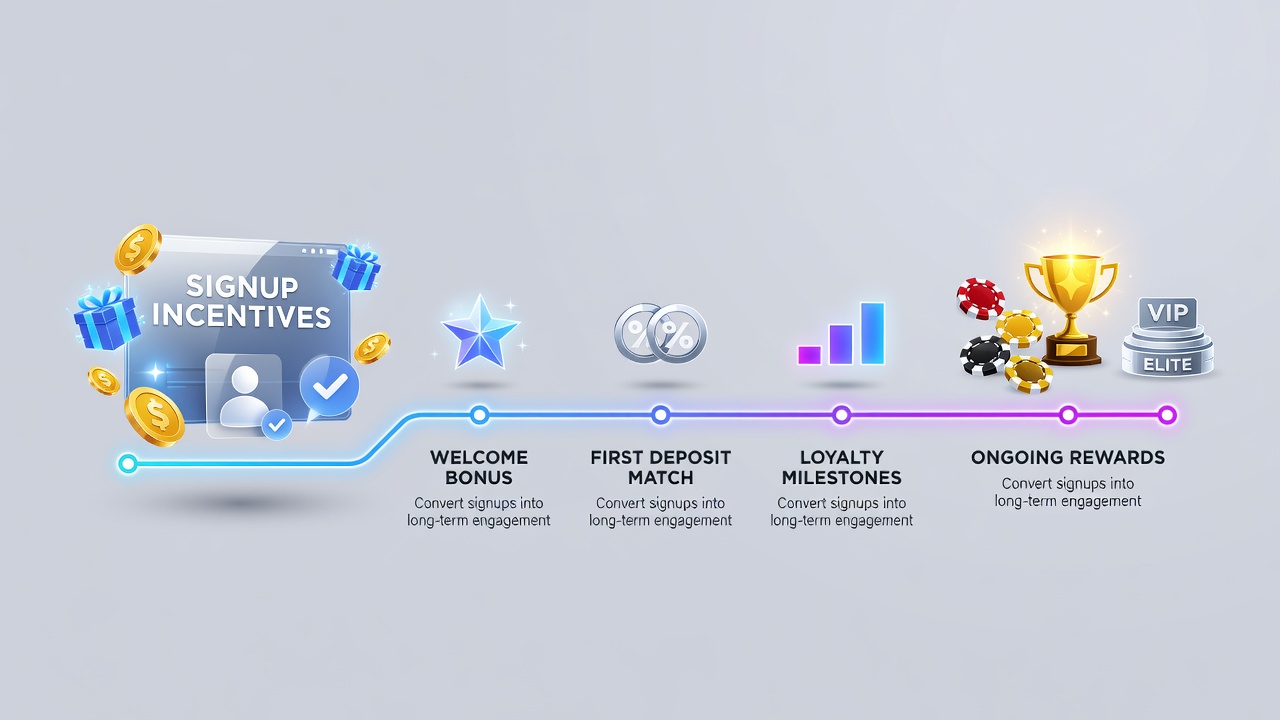
Digital wagering platforms structure their incentive systems as sequenced pathways that begin with entry-level offers and extend into sustained engagement mechanisms, data from industry reports shows. These sequences typically start at account creation where operators present matched deposits, free bets, or cashback credits that require initial verification steps, while subsequent phases introduce loyalty points, tiered status levels, and personalized reload packages that activate based on cumulative activity metrics.
Entry-Level Offer Structures and Platform Onboarding
Signup incentives function as acquisition tools that operators deploy to convert visitors into registered users, according to analyses from the Australian Gambling Research Centre. Platforms commonly advertise welcome packages that match initial deposits up to specified caps or provide no-deposit credits after identity confirmation, and these offers often carry wagering requirements that range from 20x to 50x the bonus amount before withdrawal eligibility applies. Research indicates that completion rates for these requirements vary by operator, with some systems automatically tracking progress through user dashboards that display remaining playthrough obligations in real time.
Verification protocols tie directly into incentive activation because platforms must comply with regional licensing conditions before releasing funds, yet the process itself has grown more streamlined through integrated identity services that reduce delays from days to minutes. Observers note that operators in multiple jurisdictions now link these early rewards to behavioral data collected during the first sessions, which then informs the design of follow-up promotions tailored to individual betting patterns.
Transition Mechanisms from Welcome Packages to Retention Programs
Once initial bonuses reach fulfillment, platforms shift users toward ongoing reward frameworks that emphasize frequency and volume rather than one-time acquisition. Loyalty programs assign points for every wager placed, and these points accumulate toward status tiers that unlock higher cashback percentages, exclusive event access, or accelerated withdrawal processing, as documented in reports issued by the Nevada Gaming Control Board. The transition often occurs automatically when a user meets a minimum activity threshold within a defined period, converting casual participants into members of segmented reward clubs.
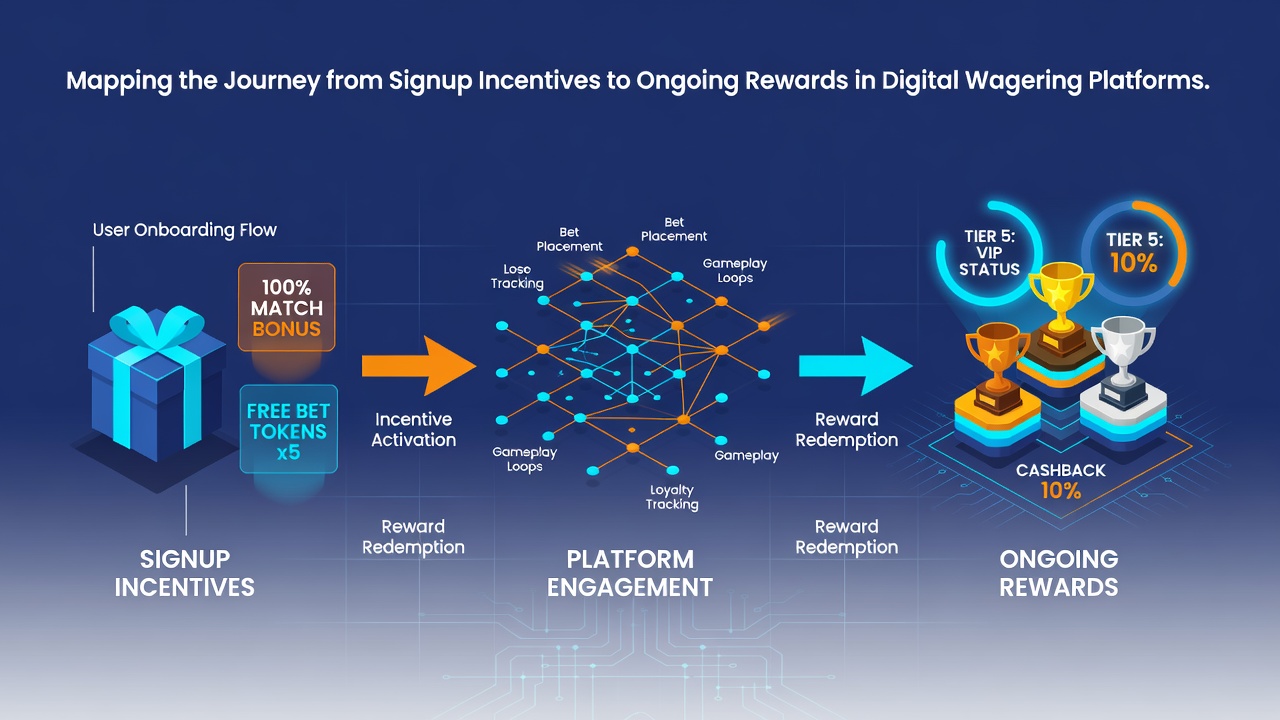
Personalization engines drive much of this progression because algorithms analyze betting history to generate targeted reload offers or risk-free bets that appear at intervals calibrated to individual engagement cycles. Studies from academic institutions in Canada have tracked how these systems adjust reward frequency based on churn risk indicators, resulting in higher retention figures for users who receive offers aligned with their preferred bet types or stake ranges. What's interesting is that operators increasingly embed these mechanics within mobile applications where push notifications surface the next available reward immediately after a qualifying activity completes.
Data Patterns and Regional Variations in Reward Sequencing
Figures compiled across multiple markets reveal that platforms operating under European regulatory frameworks tend to emphasize cashback structures in ongoing phases, whereas North American operators more frequently highlight tiered loyalty multipliers tied to sports event calendars. In June 2026, several major platforms introduced seasonal adjustments that linked ongoing rewards to major tournament schedules, extending the journey beyond generic point accumulation into event-specific bonus pools. Evidence suggests these adaptations correlate with measurable lifts in session duration and total handle among users who progress through multiple incentive layers.
Operators also integrate responsible gambling tools into reward pathways, such as optional spending caps that still allow point accrual up to predefined limits, according to guidance documents from the Singapore Casino Regulatory Authority. This integration ensures that the progression from signup to sustained rewards incorporates player protection parameters without interrupting the reward flow entirely. Those who have examined platform architectures note that transparent display of both rewards earned and limits applied helps maintain compliance while supporting continued participation.
Technical Implementation and User Interface Considerations
Backend systems track every stage of the incentive journey through unified player accounts that merge deposit history, wagering volume, and reward redemptions into single profiles accessible across desktop and mobile channels. Frontend interfaces present progress bars and milestone celebrations that reinforce movement along the pathway, and these visual elements update dynamically as new offers unlock. Research indicates that platforms employing gamified progress visuals achieve higher completion rates for both initial and recurring reward conditions compared with text-only notifications.
Interoperability between different reward types further smooths the transition because users can often convert loyalty points into free bets or apply cashback credits toward future deposits without leaving the main account screen. This connectivity reduces friction that might otherwise interrupt engagement momentum. External data from university-led examinations of digital gambling interfaces shows that seamless reward integration correlates with extended platform tenure across user cohorts.
Conclusion
The mapping of incentive journeys in digital wagering reveals structured sequences that begin with acquisition-focused signup offers and evolve into retention-oriented loyalty frameworks supported by data analytics and interface design. Regional regulatory environments shape the specific mechanics available at each stage, while technological integration enables continuous personalization. As platforms refine these pathways through ongoing measurement of user activity, the overall structure maintains clear progression markers that guide participants from entry rewards toward sustained engagement options.