Unlocking Player Retention: The Inner Workings of Loyalty Programs Across International Betting Markets
Eden Brooks · Jul 10, 2026
Unlocking Player Retention: The Inner Workings of Loyalty Programs Across International Betting Markets
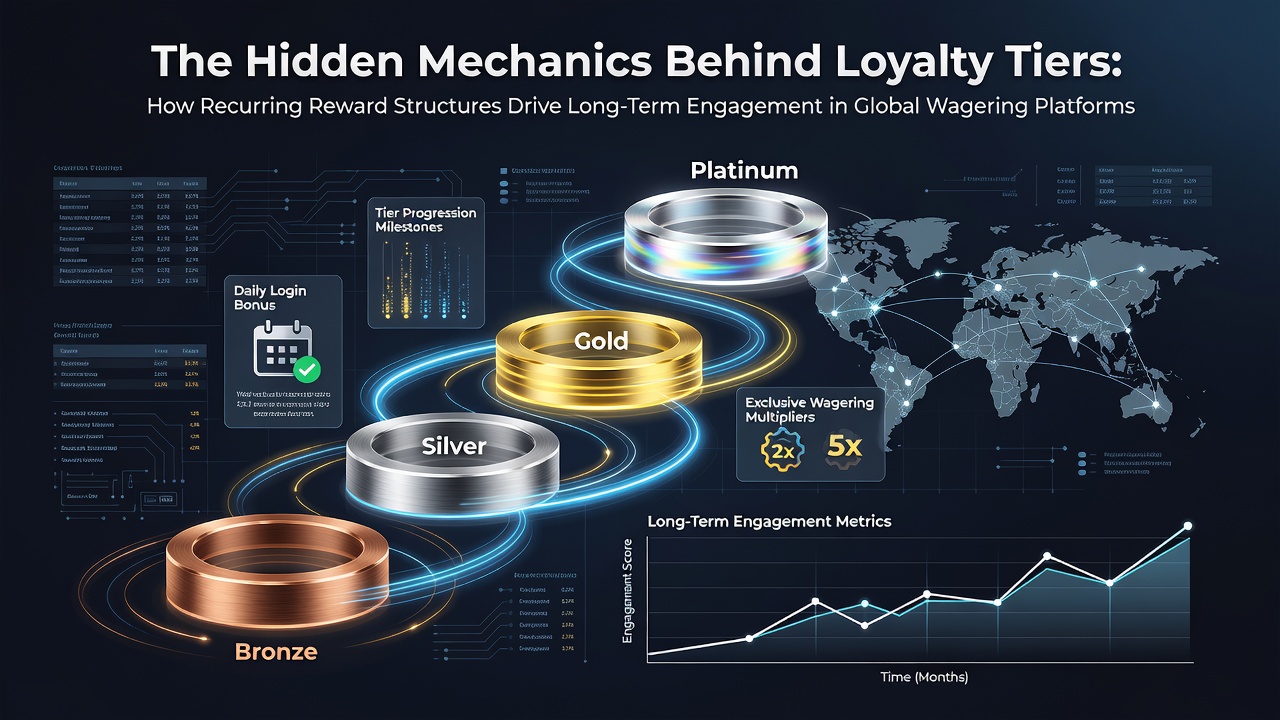
Loyalty tiers in global wagering platforms operate through layered reward systems that track user activity over extended periods, converting consistent participation into escalating benefits such as cashback percentages, exclusive event access, and personalized multipliers on wagers. These structures rely on algorithmic calculations that monitor metrics including total stakes, frequency of deposits, and session duration to assign users to bronze, silver, gold, or platinum categories, with each level unlocking incremental advantages that encourage sustained interaction rather than one-time activity.
Data from industry reports shows that platforms implementing recurring reward structures experience retention rates climbing between 25 and 40 percent compared to those offering only initial signup incentives, because the mechanics create a feedback loop where accumulated points reset monthly or quarterly to maintain momentum. What's interesting is how these systems integrate behavioral triggers, such as bonus credits awarded after consecutive days of play, which studies from research institutions indicate reduce churn by aligning user habits with platform goals.
Mechanics of Tier Progression and Point Accumulation
Users advance through tiers by earning points based on wager volume, where one point typically corresponds to a fixed monetary amount staked across sports, casino, or live dealer products, and these points accumulate without expiration within defined cycles to reward long-term patterns. Observers note that algorithms adjust point values dynamically during peak events, such as major tournaments in July 2026, when global platforms reported heightened activity levels prompting temporary multipliers that accelerate tier climbs for active participants.
Recurring elements include weekly or monthly resets that prevent stagnation, alongside hidden qualifiers like minimum activity thresholds that filter casual users from dedicated ones, ensuring rewards flow primarily to those generating consistent revenue. According to figures from the American Gaming Association, such designs contribute to a measurable uptick in average user lifetime value, with tiered members generating 3.2 times more activity than non-tiered counterparts across monitored markets.
Global Variations in Reward Structures
Platforms in North America and Europe employ distinct approaches, with some emphasizing casino cashback tiers tied to slot volatility while others focus on sports-specific multipliers for accumulator bets, yet all share the core principle of compounding benefits to extend engagement windows. Researchers discovered through comparative analysis that Australian operators integrate loyalty with responsible play tools, offering tier upgrades linked to self-imposed limits, which data indicates maintains user bases without increasing risk exposure.
Take one operator in Canada that introduced cross-product point pooling in early 2026, allowing sports bettors to apply casino earnings toward tier advancement, resulting in a documented 18 percent rise in multi-vertical participation according to internal metrics shared with regulatory bodies. This approach connects disparate gaming verticals into unified journeys, where rewards from one segment subsidize exploration in another, fostering broader platform utilization over isolated sessions.
Impact on Long-Term Engagement Metrics
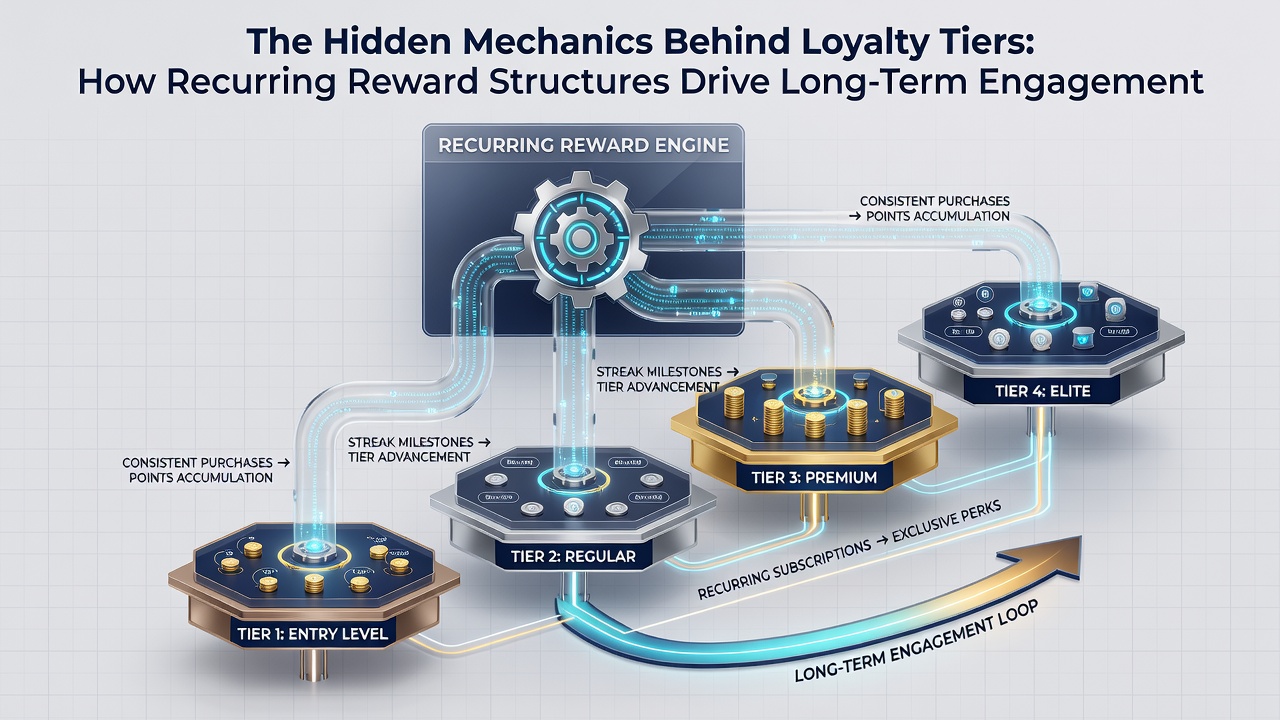
Engagement metrics tracked by wagering platforms reveal that tiered users exhibit longer average session times and higher deposit frequencies, driven by the anticipation of milestone rewards that reset on predictable schedules to sustain interest. Evidence suggests these patterns emerge because recurring structures provide tangible progress indicators, such as progress bars toward the next tier, which psychological studies link to continued participation even during losing streaks.
Platforms monitor key indicators like repeat visit rates and cross-sell conversions, where loyalty members show elevated uptake of ancillary features including live streaming and advanced analytics tools bundled as tier perks. Turns out the real driver lies in personalization layers, where algorithms tailor reward offers based on historical behavior, delivering targeted free spins or bet credits that align precisely with individual preferences rather than generic promotions.
One study revealed through longitudinal tracking across multiple jurisdictions that users reaching mid-tier status within six months demonstrate a 67 percent probability of remaining active for the subsequent year, highlighting how these mechanics convert initial curiosity into habitual use. But here's the thing, success depends on transparent communication of rules, since opaque systems lead to frustration and disengagement according to user behavior analyses from academic sources.
Integration with Broader Platform Strategies
Loyalty frameworks interconnect with marketing calendars, syncing tier benefits to seasonal campaigns or major sporting calendars to amplify visibility and uptake during high-traffic windows like the July 2026 international fixtures. Industry organizations report that operators layering these rewards atop standard promotions achieve compounded effects, where base offers gain traction through the added prestige of tier status.
Regulatory frameworks in regions outside the UK, such as those overseen by iGaming Ontario, require disclosure of tier qualification criteria to ensure fairness, which in turn builds trust and supports longer retention cycles by reducing perceived barriers to reward access. Those who've studied these systems know the balance between generosity and sustainability proves critical, as overly lavish recurring rewards can strain margins while insufficient ones fail to differentiate from competitors.
Conclusion
Recurring reward structures within loyalty tiers continue to shape user behavior across global wagering platforms by establishing clear pathways for advancement tied directly to measurable activity, with data from diverse regulatory and research bodies confirming their role in elevating retention and lifetime engagement. As markets evolve through 2026 and beyond, these mechanics adapt through technological refinements that maintain relevance amid shifting player expectations and competitive landscapes.